

A Beginner’s Guide to Building Passive Income Through Investing
Imagine owning a small piece of a successful company.
Every few months, that company shares a portion of its profits with you—not because you worked extra hours, but because you’re one of its shareholders.
Those payments are known as dividends, and they are one of the reasons many people become interested in investing.
Dividend investing has become popular among beginners, retirees, and long-term investors because it offers the potential to generate income while also allowing investments to grow over time. Unlike strategies that rely solely on buying and selling stocks for a profit, dividend investing focuses on owning companies that may reward shareholders by distributing part of their earnings.
It’s important to understand, however, that dividends are not guaranteed. Companies can increase, reduce, suspend, or eliminate dividend payments depending on their financial performance, business conditions, and decisions made by their boards of directors. Like all investing, dividend investing involves risk, including the possibility of losing money.
That doesn’t mean dividend investing is only for experts.
In fact, many beginners appreciate dividend investing because it encourages patience, long-term thinking, and investing in established companies rather than trying to predict short-term market movements.
Whether your goal is to build wealth for retirement, create an additional source of income, or simply learn more about investing, understanding dividend stocks is an excellent place to begin.
In this guide, you’ll learn:
- What dividend stocks are.
- How dividends work.
- Why companies pay dividends.
- The difference between dividend investing and growth investing.
- The benefits and risks of dividend stocks.
- How to build a diversified dividend portfolio.
- Common mistakes beginners should avoid.
- How dividend investing fits into a long-term financial plan.
By the end of this guide, you’ll understand how dividend investing works and how it may fit into your own investment goals.
💡 Action Moment: Build Financial Clarity Before You Invest
Before buying your first dividend stock, it’s helpful to understand your current financial situation.
Ask yourself:
- Do I have a monthly budget?
- Have I built an emergency fund?
- Am I carrying high-interest debt?
- How much money can I realistically invest on a regular basis?
- What am I investing for?
Investing works best when it’s built on a solid financial foundation.
That’s why 7 Days to Financial Clarity™ is the ideal place to begin.
The guide helps you organize your:
- Income.
- Monthly expenses.
- Savings.
- Debt.
- Financial priorities.
When you clearly understand where your money is going, you’re better prepared to decide how much you can comfortably invest while continuing to work toward your other financial goals.
What Is a Dividend Stock?
A dividend stock is a share of ownership in a company that may distribute a portion of its profits to shareholders in the form of dividend payments.
When you buy a dividend stock, you’re becoming a partial owner of that business.
If the company declares a dividend, eligible shareholders may receive cash payments or, in some cases, additional shares depending on the company’s dividend program and the investor’s choices.
Not every company pays dividends.
Some businesses prefer to reinvest all of their profits into expanding operations, developing new products, or acquiring other companies.
Others choose to share part of their profits with shareholders through regular dividend payments.
What Is a Dividend?
A dividend is a payment that some companies distribute to shareholders from profits or retained earnings.
Think of it as a company sharing part of its success with its owners.
Imagine you own a small neighborhood bakery with four partners.
At the end of the year, after paying employees, suppliers, rent, taxes, and other expenses, the bakery earns a profit.
Instead of keeping all of those profits within the business, the owners decide to distribute a portion to each partner.
Public companies sometimes operate in a similar way.
When business conditions allow and the company’s board approves it, shareholders may receive dividend payments.
Again, it’s important to remember that these payments are discretionary. A company is generally not obligated to continue paying dividends simply because it has done so in the past.
Why Do Companies Pay Dividends?
Every company has different financial goals.
Some businesses prioritize rapid expansion.
Others focus on returning value to shareholders.
Companies that pay dividends often do so for several reasons.
To Share Profits With Shareholders
Many established businesses generate consistent profits year after year.
Rather than reinvesting every dollar back into the company, they may choose to distribute part of those profits to shareholders.
This allows investors to benefit directly from the company’s financial success.
To Attract Long-Term Investors
Regular dividend payments often appeal to investors who prefer long-term ownership over frequent trading.
These investors may be looking for:
- Supplemental income.
- Dividend payments may provide cash that can be used for spending or reinvestment.
- Portfolio stability.
- Established dividend-paying companies are often mature businesses, although no investment is risk-free.
- Long-term wealth building.
- Reinvesting dividends may contribute to portfolio growth over time.
To Demonstrate Financial Strength
While paying dividends doesn’t guarantee a company’s financial health, some investors view a long history of consistent dividend payments as one sign that a business has generated profits over an extended period.
Even so, investors should evaluate a company’s overall financial condition rather than relying on dividends alone.
Dividend Stocks vs. Growth Stocks
One of the biggest questions beginners ask is whether they should invest in dividend stocks or growth stocks.
The answer depends on your financial goals, investment timeline, and tolerance for risk.
Dividend stocks and growth stocks are both common investment approaches, but they generally pursue different objectives.
Dividend Stocks
Dividend-paying companies often focus on generating steady profits and returning part of those profits to shareholders.
Investors may appreciate them because they can provide:
- Regular dividend income.
- Some companies pay dividends quarterly, while others may follow different schedules.
- Potential long-term appreciation.
- In addition to dividend payments, the stock price itself may rise or fall over time.
- Lower volatility in some cases.
- Many dividend-paying companies are established businesses, although their share prices can still fluctuate.
Growth Stocks
Growth companies typically reinvest most or all of their profits back into expanding the business.
Rather than paying dividends, they may focus on:
- Developing new products.
- Innovation often requires significant investment.
- Expanding into new markets.
- Growth companies frequently seek new customers and business opportunities.
- Increasing future earnings.
- Investors often hope that successful expansion will increase the company’s value over time.
Growth stocks may offer higher potential returns, but they can also experience greater price fluctuations and carry different risks than more established companies.
Why Many Beginners Like Dividend Investing
Dividend investing appeals to many new investors because it encourages a disciplined, long-term mindset.
Instead of trying to buy and sell stocks frequently, dividend investors often focus on owning quality businesses over many years.
Some reasons beginners find this approach attractive include:
Potential Income
Dividend-paying companies may provide regular cash payments if dividends are declared.
Some investors use this income to supplement other earnings, while others choose to reinvest it.
Long-Term Perspective
Dividend investing encourages patience.
Rather than reacting to every market movement, investors often focus on how companies perform over many years.
This long-term approach may reduce the temptation to make emotional investment decisions.
Compounding Opportunities
One feature that attracts many investors is the ability to reinvest dividends.
Instead of taking dividend payments as cash, some investors choose to purchase additional shares.
Over long periods, this can increase the number of shares owned, allowing future dividends to be earned on a larger investment base.
While compounding can be a powerful concept, future investment returns are never guaranteed, and the value of investments can rise or fall.
Common Myths About Dividend Investing
Like many areas of investing, dividend stocks are surrounded by misconceptions.
Let’s examine several common myths.
Myth: Dividend Stocks Are Risk-Free
No investment is completely risk-free.
Dividend-paying companies can experience declining earnings, falling share prices, reduced dividend payments, or even eliminate dividends altogether.
Investors should always consider the risks before investing.
Myth: The Highest Dividend Yield Is Always the Best Choice
A very high dividend yield may look attractive.
However, an unusually high yield can sometimes occur because a company’s share price has fallen significantly.
Before investing, it’s important to evaluate the company’s overall financial health rather than focusing only on the dividend yield.
Myth: Dividend Stocks Only Benefit Retirees
While dividend income can be valuable during retirement, younger investors may also benefit from dividend investing by reinvesting payments and allowing potential compounding over many years.
The right investment strategy depends on individual goals and circumstances—not age alone.
Myth: You Need Thousands of Dollars to Start
Many brokerages allow investors to begin with relatively small amounts of money, and some offer the ability to purchase fractional shares of certain stocks.
The most important factor isn’t necessarily how much you invest initially—it’s developing a consistent investing habit that fits your budget and long-term goals.
Dividend Investing Is About Building Ownership
One of the biggest mindset shifts for new investors is realizing that buying a stock isn’t simply purchasing a number on a screen.
You’re buying partial ownership in a business.
Successful dividend investors often spend less time trying to predict tomorrow’s stock price and more time asking questions like:
- Is this a quality company?
- Does this business have a history of generating profits?
- Does it align with my investment goals?
- Am I comfortable owning this company for many years?
Viewing investments as ownership rather than short-term trades often encourages more thoughtful decision-making and a long-term perspective.
You’re already investing time in improving your finances, and that’s something to be proud of. Before you continue, download our free 7 Days To Financial Clarity™ workbook and start putting these ideas into action.

Understanding How Dividend Investing Works
Buying a dividend stock is only the beginning.
To become a confident investor, it’s important to understand how dividends are paid, what makes one dividend stock different from another, and which measurements investors commonly use when evaluating dividend-paying companies.
You don’t need to become a financial analyst overnight.
However, learning a few basic concepts can make it much easier to compare companies and make informed investment decisions.
Let’s explore some of the most important ideas every beginner should understand.
What Is Dividend Yield?
One of the first numbers you’ll notice when researching dividend stocks is the dividend yield.
Dividend yield is a way of expressing how much a company pays in dividends each year relative to its current stock price.
Think of it as a measurement that helps investors compare dividend-paying companies.
For example, imagine two different companies.
Company A pays an annual dividend of $2.00 per share and its stock trades at $50 per share.
Company B also pays $2.00 annually, but its stock trades at $100 per share.
Although both companies pay the same dollar amount in dividends, the relationship between the dividend and the share price is different.
This is why investors often look at dividend yield rather than focusing only on the dollar amount of the dividend.
However, dividend yield should never be viewed in isolation.
A higher yield isn’t automatically better.
Why a High Dividend Yield Isn’t Always Good
Many beginners assume the highest dividend yield must be the best investment.
Unfortunately, that’s not always true.
Imagine a company whose stock price has fallen sharply because investors are concerned about declining profits.
If the company hasn’t yet reduced its dividend, the dividend yield may suddenly appear much higher.
At first glance, this might look like an excellent opportunity.
In reality, the unusually high yield could simply reflect the falling share price rather than a stronger business.
That’s why experienced investors generally look beyond the yield itself.
They also consider questions such as:
- Is the company consistently profitable?
- Sustainable profits often provide a stronger foundation for future dividend payments.
- Does the company have manageable debt?
- High debt levels may affect a company’s financial flexibility.
- Has the company maintained or increased its dividend over time?
- While past performance doesn’t guarantee future results, a consistent history may provide useful context.
Looking at the whole business—not just one number—often leads to better investment decisions.
What Is a Dividend Payout Ratio?
Another measurement investors frequently discuss is the dividend payout ratio.
The payout ratio indicates the percentage of a company’s earnings that is paid to shareholders as dividends.
Imagine a company earns $10 million in profit during the year.
If it distributes $4 million as dividends, the remaining profits stay within the business for purposes such as:
- Expanding operations.
- Growth initiatives often require additional investment.
- Developing new products.
- Innovation helps companies remain competitive.
- Paying down debt.
- Lower debt may improve long-term financial flexibility.
A company that distributes nearly all of its earnings as dividends may have less flexibility during difficult economic periods.
On the other hand, a company that pays no dividends may be focusing entirely on future growth.
Neither approach is automatically better.
The right balance depends on the company’s strategy, industry, and financial condition.
How Often Are Dividends Paid?
Not every company follows the same dividend schedule.
Many companies distribute dividends quarterly, meaning shareholders may receive payments four times each year if dividends are declared.
Others may pay:
- Monthly.
- Less common but available with certain companies and investment funds.
- Semi-annually.
- Two payments each year.
- Annually.
- One payment per year.
Some companies don’t pay dividends at all.
It’s also important to remember that dividend payments are generally declared by the company’s board of directors.
Future payments can change or stop depending on business conditions.
Important Dividend Dates
When learning about dividends, you’ll often encounter several important dates.
Although they sound technical, the concepts are fairly straightforward.
Declaration Date
This is the date the company announces that it intends to pay a dividend.
The announcement typically includes the dividend amount and the planned payment date.
Record Date
The record date identifies which shareholders are eligible to receive the upcoming dividend based on the company’s records.
Ex-Dividend Date
This is one of the most closely watched dates by investors.
Generally, investors must purchase shares before the ex-dividend date to be eligible for the upcoming dividend.
Buying shares on or after the ex-dividend date usually means the seller—not the buyer—receives that dividend.
Because trading settlement rules and exchange requirements can vary, investors should always confirm the applicable dates with their brokerage or the company’s official announcements.
Payment Date
This is the date when eligible shareholders typically receive the dividend payment.
Depending on your brokerage account and the type of investment, the payment may appear as cash or be automatically reinvested if you’ve enrolled in a dividend reinvestment program.
What Is Dividend Reinvestment?
One of the most powerful concepts in long-term investing is dividend reinvestment.
Instead of taking dividend payments as cash, some investors choose to use those dividends to purchase additional shares.
Imagine owning 100 shares of a company.
The company pays a dividend.
Instead of spending that money, you use it to purchase additional shares.
The next time the company pays a dividend, you may own more shares than before.
If dividends continue and you continue reinvesting, future dividend payments may be based on a growing number of shares.
This process is often referred to as compounding.
While compounding has the potential to contribute to long-term portfolio growth, investment returns—including dividends and share prices—are never guaranteed.
What Is a Dividend Reinvestment Plan (DRIP)?
Many companies and brokerage firms offer Dividend Reinvestment Plans, commonly known as DRIPs.
A DRIP automatically uses eligible dividend payments to purchase additional shares instead of depositing the dividend as cash.
Some advantages include:
- Automatic investing.
- Reinvestment happens without requiring manual purchases each time a dividend is paid.
- Potential compounding.
- Additional shares may generate future dividends if the company continues paying them.
- Disciplined investing.
- Automatic reinvestment encourages a long-term investment approach.
Some DRIPs also allow investors to purchase fractional shares, meaning even small dividend payments can remain invested.
Whether a DRIP is available depends on the brokerage or company offering the investment.
Understanding Total Return
One of the biggest mistakes beginners make is focusing only on dividends.
Experienced investors often pay attention to total return instead.
Total return generally includes:
- Dividend income.
- Cash distributions received from the investment.
- Capital appreciation.
- Changes in the value of the stock itself over time.
Imagine a company pays modest dividends while its stock price steadily increases over many years.
Another company pays larger dividends, but its share price declines significantly.
Simply comparing dividend payments wouldn’t tell the complete story.
Looking at total return provides a more comprehensive picture of how an investment has performed.
Of course, past performance does not guarantee future results.
Dividend Growth Can Matter More Than Dividend Size
A company paying a modest dividend today may increase that dividend consistently over many years.
Another company may offer a much larger dividend today but struggle to maintain it.
Some long-term investors prefer businesses with a history of gradually increasing dividends because steady growth may reflect improving business performance.
Again, there are no guarantees.
Dividend increases depend entirely on future business results and decisions made by company leadership.
Risks of Dividend Investing
Dividend investing offers many potential benefits, but it’s important to understand the risks as well.
Dividend Reductions
Companies can reduce or eliminate dividends during periods of financial difficulty.
Investors should never assume current dividend payments will continue indefinitely.
Falling Stock Prices
Even companies with long histories of paying dividends can experience significant declines in share price.
Dividend payments do not protect investors from market risk.
Business Risk
Every company faces competition, economic changes, regulatory developments, and industry challenges.
These factors can affect profitability and future dividend decisions.
Inflation
Inflation reduces purchasing power over time.
If dividend income grows more slowly than inflation, the real value of those payments may decline.
💡 Action Moment: Match Your Dividend Strategy to Your Financial Goals
Before investing in dividend stocks, take a moment to think about why you’re investing.
Different goals often lead to different investing strategies.
The LookingAtFinance Financial Goal Assessment can help you identify what you’re working toward.
For example, your goals may include:
- Building long-term wealth.
- You may prioritize companies with a history of steady growth and consistent dividends.
- Creating supplemental income.
- Some investors focus on investments that may generate regular cash flow, while recognizing dividends can change.
- Saving for retirement.
- Dividend investing may become one component of a diversified retirement strategy.
- Achieving financial independence.
- Long-term investing, consistent saving, and disciplined financial habits often work together to support greater financial freedom.
Your investment strategy should reflect your goals, time horizon, and comfort with risk—not someone else’s portfolio or the latest market trend.
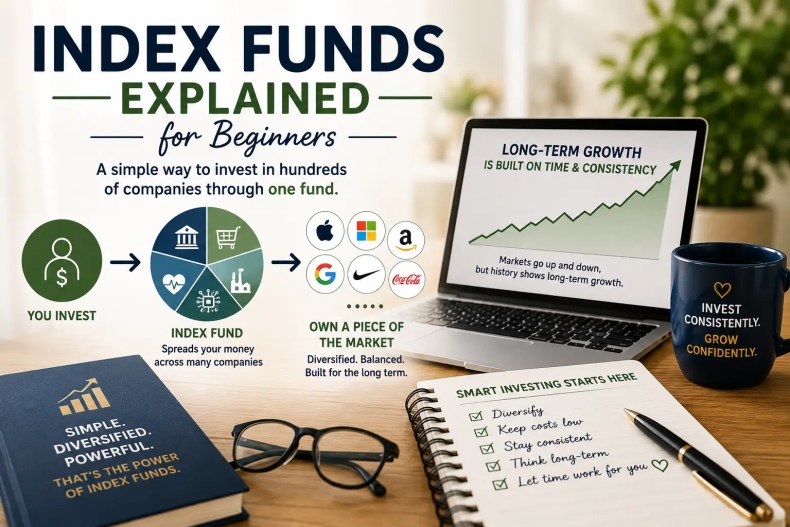
Investing Is a Long-Term Journey
The most successful dividend investors often share one characteristic.
They think in years rather than days.
Instead of reacting to every market headline or short-term price movement, they focus on owning quality businesses that align with their financial goals.
Patience, consistency, diversification, and continuous learning often play a much larger role in long-term investing than trying to predict tomorrow’s stock prices.
Understanding how dividends work is another important step toward becoming a more informed investor.
Building Your Dividend Stock Portfolio
Now that you understand how dividends work, the next step is learning how to build a portfolio that aligns with your financial goals.
For many beginners, the biggest challenge isn’t opening an investment account.
It’s deciding what to buy.
With thousands of publicly traded companies available, choosing your first dividend stock can feel overwhelming.
The good news is that successful investing doesn’t require predicting the next big winner.
Instead, it often comes down to creating a thoughtful plan, staying diversified, and investing consistently over time.
Let’s explore how many long-term investors approach building a dividend portfolio.
Start With Your Investment Goals
Before choosing individual companies, ask yourself a simple question:
“Why am I investing?”
Your answer helps shape nearly every investment decision you’ll make.
For example, your goals might include:
- Building wealth for retirement.
- A longer investment horizon may allow you to focus on companies with a history of steady growth and consistent dividend payments.
- Creating supplemental income.
- Some investors eventually use dividends as one source of income alongside other financial resources.
- Growing family wealth.
- Long-term investing may become part of a strategy to build assets for future generations.
- Achieving greater financial independence.
- Dividend investing can be one component of a broader financial plan that includes budgeting, saving, and diversified investing.
Your investment strategy should support your goals—not someone else’s.
Look Beyond the Dividend Yield
When researching dividend stocks, it’s easy to become distracted by the highest dividend yields.
However, experienced investors often look much deeper.
Instead of asking only:
“How much dividend does this company pay?”
They also ask:
“Is this a quality business?”
Questions worth considering include:
- Does the company have a long history of operating successfully?
- Businesses with established track records may have demonstrated resilience through different economic conditions.
- Does it consistently generate profits?
- Companies that regularly earn profits may be better positioned to support future dividend payments, though nothing is guaranteed.
- Does management appear financially responsible?
- Reviewing annual reports, earnings announcements, and company strategy can provide valuable insight.
- Does the business operate in an industry you understand?
- Investing is often easier when you understand how a company earns money.
A sustainable business is generally more important than an unusually high dividend yield.
Diversify Your Investments
One of the oldest principles in investing is diversification.
Diversification means spreading your investments across different companies, industries, and asset types rather than relying too heavily on a single investment.
Imagine investing every dollar in one company.
If that business experiences financial difficulties, your portfolio could be significantly affected.
Now imagine owning shares in companies across multiple sectors.
While some businesses may struggle during certain periods, others may perform better, helping reduce the impact of any single investment.
Diversification cannot eliminate investment risk or guarantee profits, but it may help reduce the effect of company-specific events on your overall portfolio.
Consider Different Industries
Companies that pay dividends operate in many different parts of the economy.
Examples include:
- Utilities.
- Companies providing electricity, water, or natural gas often generate relatively steady demand, although they remain subject to business and regulatory risks.
- Consumer staples.
- Businesses producing everyday household goods may experience more consistent demand than some discretionary industries.
- Healthcare.
- Pharmaceutical companies, medical equipment manufacturers, and healthcare providers may include dividend-paying businesses.
- Financial services.
- Banks, insurance companies, and asset managers often include dividend-paying firms, though their performance can be influenced by economic conditions and interest rates.
- Energy.
- Some oil, gas, and energy infrastructure companies pay dividends, but earnings may fluctuate with commodity prices.
Owning companies from different sectors may provide broader exposure to the economy rather than depending on the success of one industry alone.
Think Like a Business Owner
One of the most valuable habits a long-term investor can develop is viewing stocks as ownership in real businesses.
Imagine purchasing a local coffee shop.
You wouldn’t buy it simply because someone told you it might increase in value next week.
You would probably ask questions like:
- Is the business profitable?
- Does it have loyal customers?
- Is it well managed?
- Can it continue growing over time?
The same mindset can be applied when investing in publicly traded companies.
Instead of chasing short-term price movements, focus on understanding the businesses you’re becoming part-owner of.
Invest Consistently
Many successful investors don’t try to predict the perfect time to invest.
Instead, they invest consistently over long periods.
For example, someone may choose to invest a fixed amount every month regardless of whether the market is rising or falling.
This approach is commonly known as dollar-cost averaging.
Because the same dollar amount is invested regularly, investors may purchase more shares when prices are lower and fewer shares when prices are higher.
While dollar-cost averaging does not eliminate market risk or guarantee positive returns, it can help reduce the temptation to make emotional investment decisions based on short-term market movements.
Successful investing isn’t about guessing—it’s about understanding long-term growth. Use our free Investment Growth Calculator to see how regular investing can build wealth over time.

Reinvest Dividends for Long-Term Growth
Earlier, we discussed dividend reinvestment.
Let’s explore why many long-term investors consider it such a powerful strategy.
Imagine you own shares in a company that pays quarterly dividends.
Instead of withdrawing the cash, you automatically purchase additional shares through a Dividend Reinvestment Plan (DRIP).
Over time:
- Your number of shares may increase.
- Each dividend payment has the potential to purchase more ownership in the company.
- Future dividends may be paid on a larger number of shares.
- If the company continues paying dividends, your investment base may gradually grow.
- Potential compounding may occur.
- Reinvested dividends may generate additional dividends over time.
This process illustrates why patience is so important in dividend investing.
Meaningful portfolio growth often happens gradually over many years rather than overnight.
Avoid Emotional Investing
Financial markets naturally experience periods of growth and decline.
During these times, emotions can influence investment decisions.
When markets fall, some investors become fearful and consider selling quality investments.
When markets rise rapidly, others may feel pressure to buy simply because prices continue climbing.
Successful long-term investing often involves maintaining discipline during both types of market conditions.
Rather than reacting to headlines, many experienced investors continue following their long-term investment plan.
That doesn’t mean ignoring important information.
It means making thoughtful decisions based on your financial goals rather than short-term emotions.
Review Your Portfolio Regularly—Not Constantly
Technology makes it possible to check investment balances every few minutes.
However, frequent monitoring can sometimes encourage unnecessary emotional reactions.
Instead, consider reviewing your portfolio periodically.
During each review, ask questions such as:
- Does my portfolio remain diversified?
- Diversification needs may change as your investments grow.
- Do my investments still align with my financial goals?
- Life events such as marriage, career changes, or retirement planning may influence your investment strategy.
- Has any company experienced significant long-term changes?
- Reviewing business fundamentals may be more valuable than focusing on short-term price movements.
Regular reviews can help you stay informed without becoming distracted by normal day-to-day market fluctuations.
💡 Action Moment: See the Potential Impact of Long-Term Investing
One of the most exciting aspects of dividend investing is seeing how consistent contributions and dividend reinvestment may influence your portfolio over time.
The LookingAtFinance Investment Growth Calculator can help you explore hypothetical scenarios based on factors such as:
- Your starting investment.
- Estimate how an initial investment might grow over time under different assumed rates of return.
- Regular monthly contributions.
- Explore how investing consistently may affect long-term results.
- Investment time horizon.
- Compare how investing for 10, 20, or 30 years can influence potential portfolio growth.
- Hypothetical annual growth rates.
- Experiment with different assumptions while remembering that actual investment performance will vary and future returns cannot be guaranteed.
The calculator isn’t intended to predict future stock prices or dividend payments.
Instead, it helps illustrate how time, consistency, and reinvestment can work together to support long-term investing goals.
Common Beginner Mistakes to Avoid
Every investor makes mistakes from time to time.
Fortunately, understanding some common pitfalls can help you avoid unnecessary setbacks.
Chasing the Highest Dividend Yield
A high dividend yield may seem attractive, but it doesn’t automatically indicate a strong investment.
Always consider the company’s overall financial health, earnings, debt levels, and long-term prospects.
Ignoring Diversification
Investing heavily in a single company or industry increases concentration risk.
Diversification may help reduce the impact of problems affecting one business or sector.
Expecting Immediate Results
Dividend investing is generally designed as a long-term strategy.
Building meaningful wealth often takes years of consistent investing, patience, and disciplined decision-making.
Investing Without Research
Buying a stock simply because someone recommends it on social media or television can lead to poor decisions.
Take time to understand the company’s business model, financial performance, and risks before investing.
Forgetting That Dividends Can Change
Many beginners mistakenly assume dividend payments are permanent.
In reality, companies can increase, reduce, suspend, or eliminate dividends based on changing business conditions.
Understanding this helps set realistic expectations.
Successful Dividend Investing Is Built on Consistency
There is no secret formula for successful dividend investing.
Many long-term investors simply focus on a handful of enduring principles:
- Invest regularly.
- Stay diversified.
- Focus on quality businesses.
- Reinvest when appropriate.
- Continue learning.
- Remain patient.
These habits may not produce dramatic overnight results, but over long periods they can help investors build a portfolio aligned with their financial goals.
The journey is less about finding one perfect stock and more about developing consistent investment habits that can support long-term financial success.
Every financial journey is different. Take our free
Financial Goal Assessment to discover which area deserves your attention first
and receive a clear direction for your next financial milestone.

A Real-Life Example: Two Investors, Two Different Approaches
Many people begin investing with similar goals.
They want to build wealth.
Prepare for retirement.
Create another source of income.
However, the habits they develop along the way often have a greater impact than the amount of money they invest initially.
Consider the stories of two fictional investors, Ethan and Grace.
Both opened investment accounts at the age of 30.
Both committed to investing for the long term.
Both were interested in dividend-paying companies.
Yet their approaches were very different.
Ethan’s Story
Ethan spent hours reading online forums and watching videos about “the next big dividend stock.”
Whenever he saw a company offering a very high dividend yield, he quickly bought shares without researching the business.
If another company appeared to offer an even higher yield, he sold his previous investment and moved his money again.
When the stock market declined, Ethan became nervous.
He often sold investments during market downturns, hoping to avoid further losses.
Unfortunately, several companies he invested in later reduced or suspended their dividends.
Because Ethan focused almost entirely on yield instead of business quality, his portfolio became inconsistent and difficult to manage.
He spent more time reacting to market headlines than following a long-term investment strategy.
Grace’s Story
Grace approached investing differently.
Before buying any stock, she asked herself several questions.
- Does this company have a business I understand?
- Has it demonstrated a history of generating profits?
- Does it align with my long-term financial goals?
- Am I comfortable owning this company for many years?
Instead of chasing the highest dividend yield, Grace focused on building a diversified portfolio of companies across different industries.
She invested a consistent amount every month.
Whenever she received dividends, she chose to reinvest them through her brokerage’s dividend reinvestment program.
She understood that markets would experience ups and downs, but she stayed focused on her long-term plan rather than reacting to short-term price movements.
Years later, Grace had gradually built a larger portfolio through regular investing, dividend reinvestment, and patience.
Her success wasn’t the result of finding one perfect stock.
It came from consistently following a disciplined investment strategy.
The Difference Wasn’t Luck
Both Ethan and Grace had access to the same stock market.
The biggest difference wasn’t intelligence or income.
It was their investment behavior.
Grace concentrated on:
- Investing consistently.
- Diversifying her portfolio.
- Researching businesses.
- Thinking long term.
- Staying disciplined during market volatility.
Ethan concentrated on:
- Chasing high dividend yields.
- Frequently buying and selling.
- Reacting emotionally to market news.
- Looking for quick results.
This example illustrates an important investing lesson:
Long-term success often depends more on consistent habits than on trying to predict short-term market movements.
Dividend Investing Checklist
Use this checklist as a practical guide when building your dividend investing strategy.
Build a Strong Financial Foundation
☐ I have a monthly budget.
☐ I have started building an emergency fund.
☐ I understand how much I can comfortably invest.
☐ I avoid investing money I may need for short-term expenses.
☐ My investments fit within my overall financial plan.
Evaluate Dividend Stocks Carefully
☐ I understand what the company does.
☐ I research the company’s financial health.
☐ I consider more than just dividend yield.
☐ I understand that dividends are not guaranteed.
☐ I review the company’s long-term business prospects.
Build a Diversified Portfolio
☐ I avoid investing all my money in one company.
☐ I own companies from different industries where appropriate.
☐ I review my portfolio periodically.
☐ I stay focused on my long-term investment goals.
☐ I continue learning about investing.
Practice Long-Term Investing
☐ I invest consistently.
☐ I avoid emotional investment decisions.
☐ I understand that markets naturally rise and fall.
☐ I consider reinvesting dividends when appropriate.
☐ I remain patient during periods of market volatility.
Frequently Asked Questions
What is a dividend stock?
A dividend stock represents ownership in a company that may distribute a portion of its profits to shareholders as dividends.
Not all companies pay dividends, and dividend payments can change or stop depending on the company’s financial performance and decisions made by its board of directors.
Are dividend stocks safe?
No investment is completely safe.
Dividend-paying companies can experience declining earnings, falling stock prices, or changes to their dividend policies.
Diversification, careful research, and a long-term perspective may help manage risk, but investing always involves the possibility of loss.
How much money do I need to start investing in dividend stocks?
The amount depends on your brokerage and the investments you choose.
Many brokerage firms now allow investors to begin with relatively small amounts, and some offer fractional shares that let you invest without purchasing a full share of stock.
The most important step is investing an amount that fits comfortably within your budget and financial plan.
Should I spend my dividends or reinvest them?
That depends on your financial goals.
Some investors use dividends as supplemental income.
Others choose to reinvest dividends to purchase additional shares, allowing their investments to potentially grow over time.
There is no single correct approach.
The best choice depends on your individual circumstances and objectives.
Can companies stop paying dividends?
Yes.
Companies may reduce, suspend, or eliminate dividend payments if business conditions change or if management decides that profits are better used elsewhere.
Past dividend payments do not guarantee future dividends.
Are dividend stocks better than growth stocks?
Neither approach is universally better.
Dividend stocks may appeal to investors seeking potential income and long-term stability.
Growth stocks may appeal to investors focused on capital appreciation.
Many diversified portfolios include a combination of both, depending on the investor’s goals, risk tolerance, and investment horizon.
How often should I review my dividend portfolio?
Regular reviews can help ensure your investments continue to align with your goals.
However, reviewing your portfolio too frequently may encourage emotional reactions to normal market fluctuations.
Many long-term investors prefer periodic reviews rather than checking prices every day.
Final Thoughts
Dividend investing is about much more than collecting regular payments.
It’s about becoming a part-owner of businesses, thinking like a long-term investor, and allowing time to work in your favor.
While dividend stocks can provide opportunities for income and long-term growth, they also involve risk.
Companies can experience financial challenges.
Markets can decline.
Dividends can change.
That’s why successful dividend investing isn’t built on chasing the highest yields or predicting tomorrow’s stock prices.
Instead, it’s built on understanding businesses, diversifying investments, contributing consistently, and maintaining patience through changing market conditions.
Remember, investing is a marathon—not a sprint.
The habits you develop today can influence your financial future for many years to come.
Your Next Steps
Learning about dividend investing is an important milestone.
Putting that knowledge into practice—carefully and consistently—is what helps build long-term financial confidence.
Here are three practical steps to help you get started.
Step 1: Build Financial Clarity
Download 7 Days to Financial Clarity™ before making your first investment.
The guide helps you organize:
- Your income.
- Knowing how much you earn helps you determine how much you can realistically invest on a regular basis.
- Your monthly expenses.
- Understanding your spending habits helps ensure investing fits comfortably within your budget.
- Your savings.
- Building an emergency fund before investing may help reduce the need to sell investments unexpectedly.
- Your debt.
- Managing high-interest debt is often an important consideration before increasing investment contributions.
- Your financial priorities.
- Clear priorities make it easier to build an investment strategy that supports your long-term goals.
A strong financial foundation makes investing more sustainable over time.
Step 2: Complete the Financial Goal Assessment
The LookingAtFinance Financial Goal Assessment helps you identify why you’re investing in the first place.
Your goals may include:
- Building long-term wealth.
- Preparing for retirement.
- Creating supplemental income.
- Funding your children’s education.
- Achieving greater financial independence.
- Leaving a financial legacy for your family.
When your investments align with meaningful personal goals, it becomes easier to stay disciplined during market fluctuations.
Step 3: Explore Long-Term Growth Scenarios
Use the LookingAtFinance Investment Growth Calculator to explore how consistent investing and dividend reinvestment might influence your portfolio over time.
The calculator allows you to:
- Model regular investment contributions.
- See how monthly investing may affect long-term portfolio growth under different hypothetical assumptions.
- Compare investment time horizons.
- Explore how investing for 10, 20, or 30 years may produce very different outcomes.
- Visualize the potential impact of compounding.
- Understand how reinvested earnings may contribute to portfolio growth over long periods, while remembering that actual results will vary.
The calculator is an educational planning tool—not a predictor of future investment performance. It can help you appreciate the value of consistency and time without implying guaranteed returns.
Key Takeaway
Successful dividend investing isn’t about finding the stock with the highest dividend yield. It’s about building a diversified portfolio of quality businesses, investing consistently, understanding the risks, and allowing time and disciplined decision-making to work together. While dividends can be an important source of long-term returns, they are never guaranteed, and every investment should support your personal financial goals and overall financial plan.
🚀 Ready To Keep Going?
You have invested time learning today. Now take the next step by downloading our free 7 Days To Financial Clarity™ workbook and begin building a stronger financial future.
