
If you’ve made it this far, you’ve already taken a powerful first step.
In Part 1, we covered the first 30 strategies—helping you reduce everyday spending, cut monthly bills, and take control of your grocery budget.
But here’s where things really start to shift.
👉 Because saving money isn’t just about cutting costs…
👉 It’s about building a lifestyle where money naturally stays with you.
In this second part, we’re going deeper.
You’ll learn:
- How to adjust your lifestyle without feeling restricted
- How to build habits that create long-term savings
- How to turn saving money into something that feels automatic
This is where you move from:
👉 “trying to save money”
👉 to becoming someone who naturally keeps and grows money
Let’s continue.
Now that you’ve reduced your major expenses, the next step is even more powerful.
👉 Adjusting how you live—without sacrificing your happiness.
Because the goal isn’t to feel restricted…
👉 It’s to feel smarter, more intentional, and more in control.
31–40: Smart Lifestyle Adjustments (Save Money Without Feeling Restricted)
This isn’t about cutting joy out of your life.
It’s about making small, smart shifts that:
👉 Keep your lifestyle intact
👉 While quietly reducing your expenses
Let’s break it down in real-life terms.
31. Choose Free Entertainment (Without Feeling Bored)
Entertainment doesn’t have to be expensive to be enjoyable.
Think about it:
- A walk in the park
- Watching your favorite videos online
- Hanging out with friends at home
These can be just as fun—sometimes even more—than paid activities.
The difference?
👉 You’re not constantly spending money to stay entertained.
This doesn’t mean never spending.
It just means:
👉 Not every moment of fun needs a price tag.
32. Borrow Instead of Buying
Here’s a question:
👉 How often do you buy something… use it once… and never touch it again?
It happens all the time.
Instead:
- Borrow books instead of buying them
- Ask a friend for tools you’ll only use once
- Use community resources when available
You still get what you need…
👉 Without paying for something you barely use.
33. Buy Second-Hand When Possible
There’s a huge mindset shift here.
Second-hand doesn’t mean “low quality.”
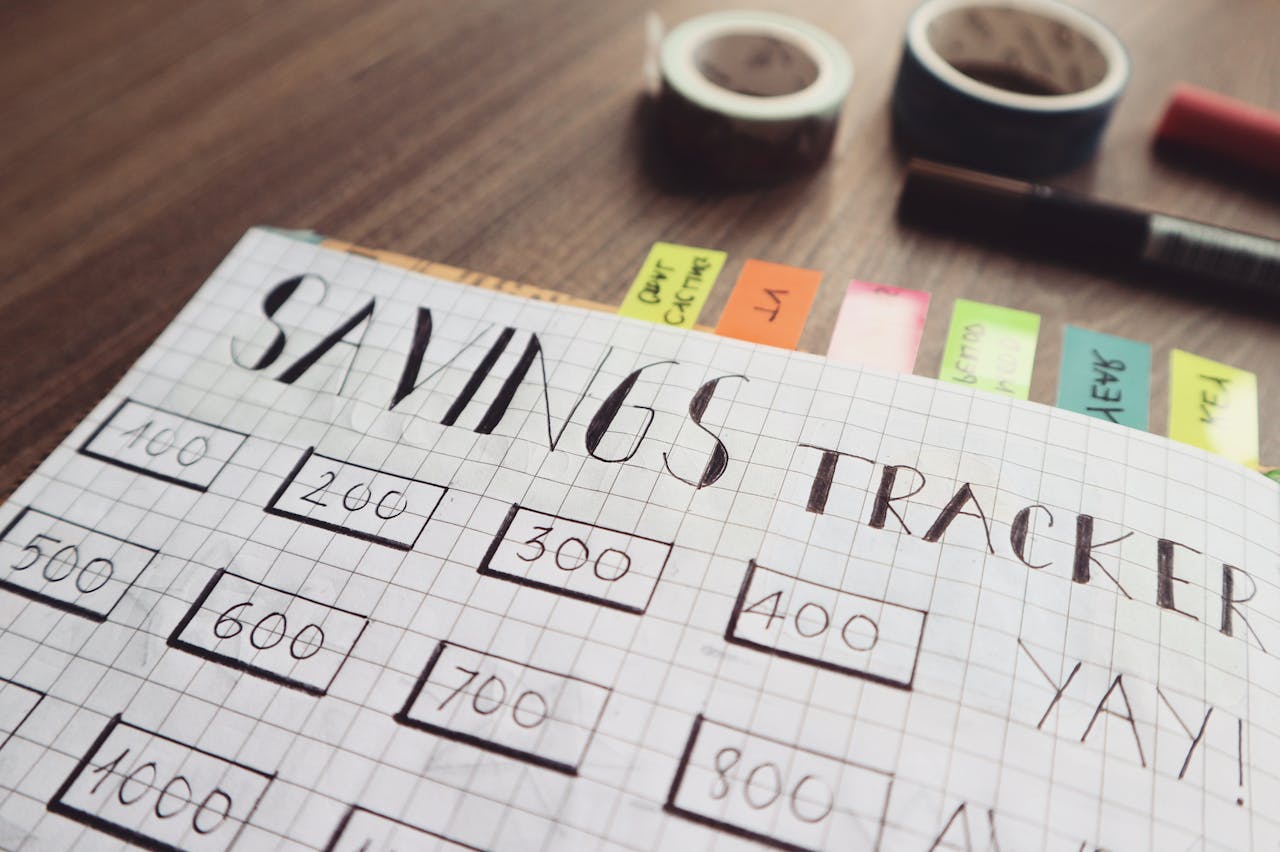
In many cases, it means:
👉 Same item… much lower price
You can find:
- Clothes
- Furniture
- Electronics
At a fraction of the original cost.
And often?
👉 They’re still in great condition.
Smart spenders care about value—not just “newness.”
34. Limit Shopping “Just for Fun”
This one is big.
Because a lot of spending isn’t about need—it’s about habit.
Going to the store just to “look around” often leads to:
👉 Buying things you didn’t plan for
Not because you needed them…
But because they were there.
Try this instead:
👉 Only shop when you have a purpose.
You don’t have to eliminate fun completely.
Just be more intentional.
35. Use Cashback Apps
This is one of the easiest wins.
If you’re already spending money…
👉 Why not get some of it back?
Cashback apps and rewards programs give you:
- Small percentages back on purchases
- Points or credits over time
It may not seem like much in the moment…
But over time?
👉 It adds up to real savings.
Quick Reality Check
If you feel like saving money is hard right now, you’re not alone.
Most people don’t struggle because they’re careless…
👉 They struggle because they’ve never been shown a simple system that actually works
That’s exactly what you’re building right now.
36. Set Spending Goals Before You Shop
Most people go shopping with no limit.
And that’s where things go wrong.
Instead, decide before you go:
👉 “I’m only spending $30 today”
👉 “I’m sticking to this budget—no exceptions”
This creates:
- Boundaries
- Awareness
- Control
Now you’re not reacting—you’re deciding.
37. Avoid Upgrading Things You Don’t Need
We live in a world that constantly tells us:
👉 “You need the latest version”
New phone. New clothes. New everything.
But ask yourself:
👉 “Does what I have still work?”
If the answer is yes…
👉 You don’t need to upgrade.
Delaying upgrades can save you:
- Hundreds
- Even thousands over time
And honestly?
Most upgrades are wants—not needs.
38. Use Public Transportation or Carpool
Transportation costs can quietly eat up your money:
- Fuel
- Maintenance
- Parking
If you have the option:
- Use public transportation
- Share rides with others
Even doing this part-time can reduce your expenses.
👉 Less fuel = more money saved
39. Combine Errands to Save Fuel
This is such a simple shift—but most people don’t think about it.
Instead of making multiple trips:
👉 Plan your errands together
For example:
- Grocery store + pharmacy + other stops in one trip
This saves:
- Fuel
- Time
- Energy
Small change… noticeable impact.
40. Repair Instead of Replacing
We’ve become used to replacing things quickly.
But many items can be:
👉 Fixed for much less than buying new
Think about:
- Clothes with small tears
- Minor electronics issues
- Furniture needing small repairs
Repairing extends the life of what you already own.
And that means:
👉 Fewer purchases… more savings.
💡 Why These Changes Feel So Different
These habits don’t feel like punishment.
Because you’re not saying:
👉 “I can’t have this”
You’re saying:
👉 “I’ll just do this in a smarter way”
That shift is powerful.
This becomes much easier once you understand how to manage your money properly (see our beginner’s budgeting guide).
Real-Life Perspective
Imagine this:
- You still enjoy your time
- You still buy what you need
- You still live your life
But now?
👉 You’re spending less without feeling it
That’s the sweet spot.
Why This Lifestyle Shift Works
Saving money doesn’t mean living a smaller life.
It means living a smarter one.
Start with just a few of these:
- Swap one paid activity for a free one
- Delay one unnecessary purchase
- Try one smarter habit
And you’ll quickly realize:
👉 You’re not missing out…
👉 You’re actually gaining control.
And that’s where real financial freedom begins.
Let’s take this one step further.
At this point, you’ve already started saving money in practical ways.
But here’s the truth:
👉 Saving money once is easy.
👉 Keeping it—and growing it—is where real transformation happens.
That’s exactly what this next section is about.
41–50: Money Habits That Build Real Savings (Where Things Start to Change)
Here’s the truth most people don’t realize:
Saving money isn’t about one big decision.
👉 It’s about small habits repeated consistently over time.
This is where you stop “trying to save”…
And start becoming someone who naturally keeps and grows money.
Let’s break that down.
41. Pay Yourself First (Save Before You Spend)
Most people do this:
👉 Spend first → Save what’s left
But let’s be honest…
There’s usually nothing left.
So flip it.
👉 Save first → Spend what remains
Even if it’s small:
- $5
- $10
- 5% of your income
It sends a powerful message:
👉 “My future matters too.”
And over time, this one habit changes everything.
Imagine someone earning the same income as you…
But saving just $10 every week consistently.
After a year, they don’t just have savings—
👉 They have a completely different relationship with money.
42. Automate Your Savings
Let’s remove willpower from the equation.
Because willpower fades.
Automation doesn’t.
Set up an automatic transfer:
- Weekly or monthly
- From your main account → savings
Now saving becomes:
👉 Effortless
👉 Consistent
👉 Non-negotiable
You don’t think about it.
You don’t forget it.
It just happens.
43. Set a Monthly Savings Goal
Saving without a goal feels… vague.
Like you’re just hoping for progress.
But when you set a target:
👉 It becomes a mission.
For example:
- “I want to save $50 this month”
- “I’m aiming for $200 this quarter”
Now every decision has direction.
And when you hit that goal?
👉 It builds momentum and confidence.
44. Use a Separate Savings Account
If your savings sit in the same account as your spending money…
👉 It’s way too easy to dip into it.
“Just this once” turns into a habit.
So create a little distance.
- Open a separate savings account
- Don’t link it to your everyday spending
Out of sight = out of temptation.
And suddenly:
👉 Your savings start to actually stay saved.
45. Try a 30-Day No-Spend Challenge
This is like a reset button for your finances.
For 30 days:
👉 You only spend on essentials
No:
- Random shopping
- Takeout
- Impulse purchases
At first, it feels tough.
Then something interesting happens:
👉 You realize how much you don’t actually need.
And by the end?
- You’ve saved a noticeable amount
- Your habits feel different
- Your mindset shifts
46. Save All Unexpected Money (Bonuses, Gifts, Extra Cash)
This is one of the fastest ways to grow your savings.
Because it doesn’t affect your daily life.
When you get:
- A bonus
- A cash gift
- Extra income
Instead of thinking:
👉 “What can I spend this on?”
Try:
👉 “How much of this can I save?”
Even saving half makes a huge difference.
Because this is money you weren’t relying on anyway.
47. Round Up Purchases and Save the Difference
This is a simple but powerful trick.
If you spend:
- $3.50 → round it to $5
- $12.20 → round it to $15
And save the difference.
Those small amounts?
👉 They add up surprisingly fast.
It’s like saving without feeling it.
48. Avoid Debt Whenever Possible
Debt is one of the biggest barriers to saving.
Because instead of your money working for you…
👉 It’s working to pay off the past.
Before taking on new debt, ask:
- Do I really need this?
- Can I wait and save instead?
Avoiding debt doesn’t just protect your money—
👉 It protects your future income too.
49. Track Your Progress Weekly
Saving money can feel slow…
If you’re not tracking it.
But when you check in weekly:
- You see your progress
- You stay motivated
- You catch mistakes early
Even if it’s small:
👉 Progress is progress.
And seeing it visually?
That’s what keeps you going.
If you want to go further, you can learn how to save money fast on a low income.
50. Stay Consistent—Even When It Feels Slow
This is the most important one.
Because at some point, you’ll think:
👉 “Is this even making a difference?”
And that’s where most people quit.
But here’s what’s really happening:
👉 Your habits are building
👉 Your discipline is growing
👉 Your foundation is forming
Saving money is like planting seeds.
At first, nothing seems to happen.
But if you stay consistent?
👉 The results will come.
💡 Why These Habits Matter So Much
The earlier tips helped you:
- Spend less
- Save small amounts
But these habits?
👉 They turn saving into who you are
You’re no longer:
- Guessing
- Hoping
- Struggling
You’re:
👉 Intentional
👉 Consistent
👉 In control
From Effort to Automatic
At first, saving feels like effort.
Then it becomes routine.
And eventually?
👉 It becomes automatic.
That’s when money stops slipping through your hands…
And starts staying with you.
The Power of Consistency
If you take anything from this section, let it be this:
👉 You don’t need to be perfect.
👉 You just need to be consistent.
Start small.
Stick with it.
And over time, you won’t just be someone trying to save money…
👉 You’ll be someone who naturally builds wealth.
And that’s a completely different life.
At this point, you don’t just have ideas—you have a system.
Now let’s make sure it actually works in your daily life.
Turning Ideas Into Action
Reading tips is one thing—applying them is another.
Let’s make this practical.
Step 1: Pick 5–10 Tips to Start—and commit to them for the next 30 days.
Don’t try all 50 at once. Choose what feels easiest.
Step 2: Track Your Savings
Write down how much each change saves you.
Step 3: Build Momentum
Once you see results, add more habits.
👉 Progress builds motivation.
The Secret to Saving Money (That Most People Ignore)
It’s not about cutting everything.
It’s about:
👉 Awareness
👉 Intentional spending
👉 Consistency
You don’t need to live a miserable life to save money.
You just need to stop letting money disappear unconsciously.
Benefits of Saving Money Every Month
Saving money isn’t just about numbers—it changes how you live.
1. Financial Peace
No more constant stress about bills.
2. More Freedom
You gain options—more choices in life.
3. Emergency Protection
Unexpected expenses don’t destroy your finances.
4. Confidence
You feel in control of your money.
Common Mistakes That Keep People Broke
Let’s avoid these traps:
❌ Trying to Change Everything Overnight
This leads to burnout.
❌ Ignoring Small Expenses
They add up more than you think.
❌ Not Having a Plan
Saving without direction rarely works.
❌ Giving Up Too Early
Results take time—but they do come.
Real-Life Example: How Small Changes Add Up
Let’s say you:
- Save $5/day → $150/month
- Cut subscriptions → $30/month
- Reduce groceries → $100/month
Total:
👉 $280/month
👉 $3,360/year
That’s life-changing for many people.
👉 And the best part? These are changes you can start today.
How to Stay Consistent (Even When It’s Hard)
Saving money is a mindset shift.
Here’s how to stay on track:
- Focus on progress, not perfection
- Celebrate small wins
- Keep your goals visible
- Remind yourself why you started
👉 Consistency beats intensity every time.
Final Thoughts: Small Changes = Big Results
If you take one thing from this entire 2-part series, let it be this:
👉 You don’t need to change everything overnight.
Real financial change doesn’t come from one big decision.
👉 It comes from small, consistent actions repeated over time.
You’ve now seen 50 simple ways to:
- Reduce unnecessary spending
- Take control of your money
- Build habits that actually last
But the real power isn’t in the list…
👉 It’s in what you do next.
Start small.
Pick 5–10 strategies that feel realistic for you.
Apply them consistently.
And then build from there.
Because over time, something incredible starts to happen:
👉 You stop feeling stressed about money
👉 You start feeling in control
👉 And your savings begin to grow—naturally
And that’s the real goal.
Not just saving money for a month…
👉 But building a life where money supports you—rather than controls you.
FAQs: Saving Money Every Month
What is the easiest way to save money monthly?
Start by tracking your spending and cutting small daily expenses like snacks, subscriptions, and impulse purchases.
How much money should I save each month?
Aim for at least 10%, but start with whatever you can—even small amounts matter.
Can I save money on a low income?
Yes. In fact, many people start saving on a low income by focusing on small habits, reducing unnecessary expenses, and staying consistent over time.
How do I stop overspending?
Use cash, create limits, and avoid emotional or impulse purchases.
👉 And once you’ve built these habits, the next step isn’t just saving money…
👉 It’s learning how to grow it—and that’s where your next level begins.
Missed Part 1?
👉 Start here: 50 Simple Ways to Save Money Every Month — Part 1