
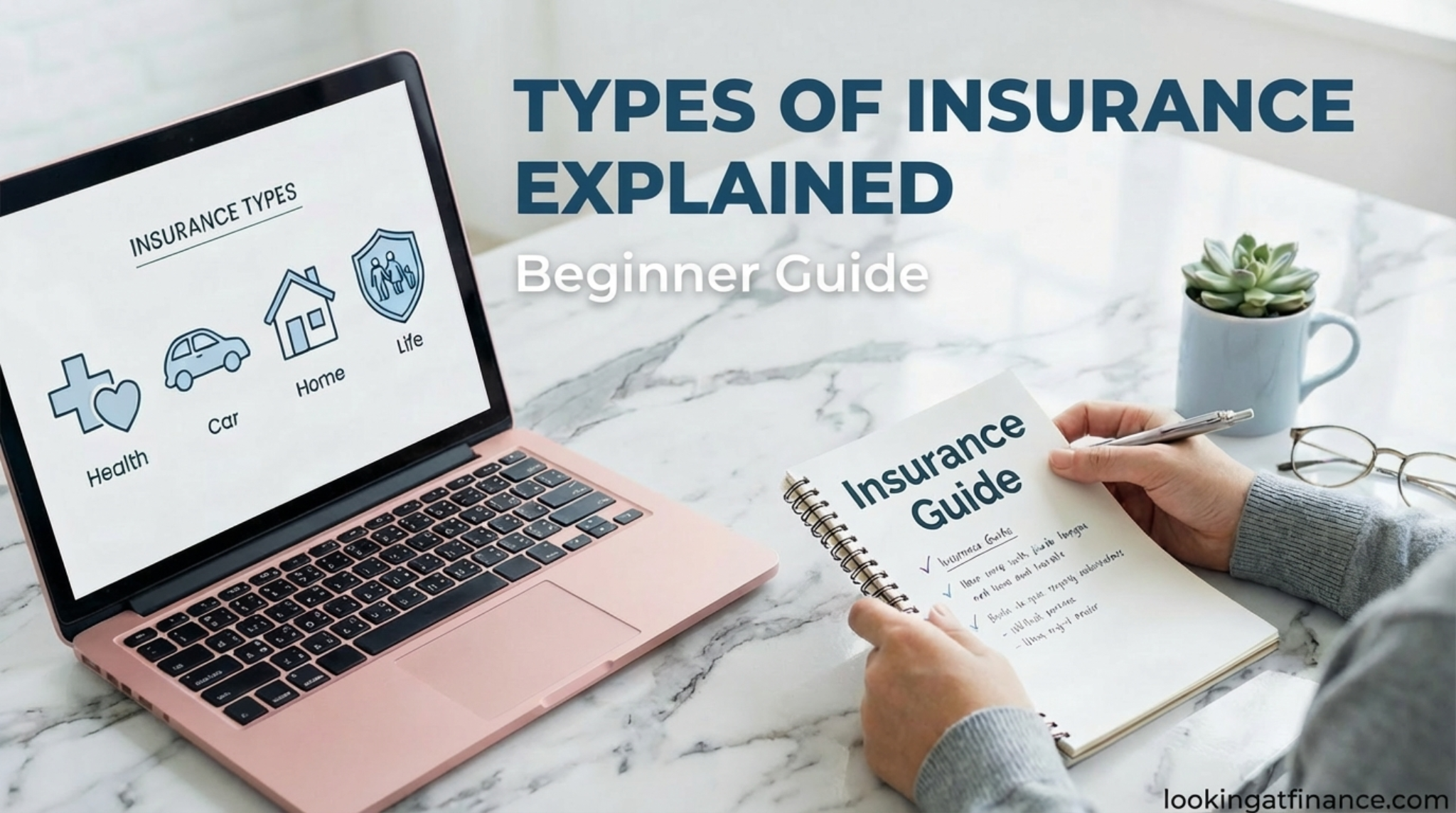
Insurance is one of the most important financial tools you can have—but it’s also one of the most misunderstood. Many people either buy the wrong type, don’t have enough coverage, or avoid insurance altogether because it feels confusing.
The truth is simple:
Insurance exists to protect you from financial loss you cannot comfortably handle on your own.
Different types of insurance cover different risks. Some protect your health. Others protect your income, your property, or your family’s future.
Understanding the main types of insurance is what allows you to:
- Make informed decisions
- Avoid costly mistakes
- Protect your financial stability
This guide breaks down the most important types of insurance everyone should know, how they work, when you need them, and how to choose the right coverage.
Why Understanding Different Types of Insurance Matters
Not all insurance is equally important.
Some types protect you from high-cost risks that could severely impact your finances, while others cover smaller, less critical losses.
Understanding the difference helps you prioritize essential coverage first, avoid overspending, and ensure your most important financial risks are properly protected.
Some types are:
- Essential (health, auto, life in many cases) – These protect against major financial risks like medical emergencies, accidents, or loss of income, which can create long-term financial hardship without coverage.
- Situational (travel, pet, gadget insurance) – These depend on lifestyle needs, such as frequent travel or owning valuable items that may require additional protection.
- Optional depending on your financial position – If you can comfortably afford certain losses, you may choose to self-insure instead of paying ongoing premiums.
The key is knowing:
👉 What risks you face
👉 What you can afford to lose
👉 What needs protection first
Without this understanding, you may:
- Overpay for unnecessary coverage – You might spend money on low-priority policies that offer limited value while ignoring more important protections.
- Be underinsured in critical areas – Key risks like health or income may not be adequately covered, leaving you responsible for large expenses.
- Leave yourself financially exposed – Gaps in coverage can result in significant out-of-pocket costs during unexpected events, disrupting your financial stability.
1. Health Insurance
What It Covers
Health insurance pays for medical expenses such as:
- Doctor visits – Covers consultations, routine checkups, and treatment for common illnesses, helping you access care without paying full costs each time.
- Hospital stays – Includes admission, overnight care, and related services, which can be extremely expensive without coverage.
- Surgeries – Helps pay for procedures, operating fees, and recovery care, reducing the financial burden of major medical treatments.
- Prescription medications – Covers part or all of the cost of necessary drugs, making ongoing treatment more affordable.
- Preventive care – Includes screenings, vaccinations, and early detection services to help avoid serious health issues later.
Why It Matters
Healthcare costs can be extremely high—even a single emergency can cost more than years of savings.
Health insurance:
- Reduces out-of-pocket expenses – Covers a large portion of medical bills, so you don’t have to pay the full cost upfront.
- Provides access to better care – Enables you to seek timely treatment, specialist care, and necessary procedures without delaying due to cost concerns.
- Prevents financial strain during illness – Protects your savings and income from being drained by unexpected medical expenses.
Real-Life Example
You experience a sudden medical emergency requiring surgery. – An unexpected illness or accident leads to immediate treatment, hospitalization, and specialist care.
- Total bill: $2,500,000 JMD – Medical procedures, hospital stays, and medications quickly add up to a significant financial cost.
- Without insurance: You pay everything – You are responsible for the full amount, which may require using savings, loans, or credit.
- With insurance: You pay a small portion (deductible/copay), insurer covers the rest – Your out-of-pocket cost is limited, while the insurance company handles the majority of the expense.
Who Needs It
👉 Everyone
This is one of the most essential types of insurance because:
- Illness is unpredictable – Health issues can arise at any time, even if you are currently healthy and have no prior medical conditions.
- Costs are high – Treatments, hospital stays, and medications can quickly become expensive, especially for serious conditions or emergencies.
- Recovery without coverage can be financially devastating – Paying medical bills out of pocket can drain savings, create debt, and disrupt long-term financial stability.
2. Life Insurance
What It Covers
Life insurance provides a payout (death benefit) to your beneficiaries if you pass away.
This payout is typically tax-free and can be used for any financial need, such as covering funeral expenses, paying off debts, replacing lost income, or supporting your family’s daily living costs and future financial goals.
Why It Matters
If others depend on your income, your absence creates a financial gap.
Life insurance helps your family:
- Pay bills – Covers ongoing expenses like utilities, groceries, and school costs, ensuring daily needs are still met.
- Cover debts – Helps repay loans such as mortgages, car loans, or credit cards, preventing added financial pressure.
- Maintain their lifestyle – Replaces lost income so your family can continue their normal standard of living.
- Handle funeral expenses – Covers burial and related costs, which can be expensive and unexpected.
Real-Life Example
You are the primary earner in your household.
If something happens:
- You are the primary earner in your household – Your income supports essential expenses and your family’s daily living needs.
- If something happens: – An unexpected event can suddenly remove that financial support.
- Mortgage still exists – Monthly payments must continue to avoid losing the home your family depends on.
- Bills continue – Utilities, groceries, and other recurring expenses do not stop, even without your income.
- Children still need support – Education, childcare, and daily needs require ongoing financial resources to maintain stability.
Life insurance ensures your family remains financially stable.
Who Needs It
- Parents – Responsible for children’s daily needs, education, and long-term support, making financial protection essential if income is lost.
- Married individuals – Shared financial responsibilities like bills, housing, and lifestyle depend on combined income, requiring protection for stability.
- Anyone with dependents – People who rely on your income, such as elderly parents or relatives, need continued financial support.
- Anyone with debt shared with others – Joint obligations like mortgages or loans can become a burden on others if you’re no longer able to contribute.
👉 If no one depends on your income, this may be less urgent.
You’re already investing time in improving your finances, and that’s something to be proud of. Before you continue, download our free 7 Days To Financial Clarity™ workbook and start putting these ideas into action.

3. Auto Insurance
What It Covers
Auto insurance protects against:
- Car accidents – Covers repair costs and medical expenses resulting from collisions, whether you are at fault or not, depending on your policy.
- Vehicle damage – Pays for repairs caused by events like collisions, vandalism, or certain natural incidents covered under your plan.
- Theft – Provides compensation if your vehicle is stolen or cannot be recovered, helping you replace or recover its value.
- Liability (damage or injury to others) – Covers costs if you are responsible for damaging another person’s property or causing injury in an accident.
Why It Matters
Driving comes with financial risk:
- Repairs can be expensive – Even minor accidents can result in significant repair costs, especially for newer vehicles or multiple damages.
- You may be responsible for others’ damages – If you cause an accident, you may have to pay for repairs, medical bills, or legal costs for other people involved.
Auto insurance prevents one accident from becoming a major financial burden.
Real-Life Example
You accidentally hit another vehicle.
Costs may include:
- You accidentally hit another vehicle – A moment of distraction or sudden stop leads to a collision, triggering financial responsibility.
- Costs may include: – Multiple expenses can arise from a single accident, often adding up quickly.
- Your car repairs – Damage to your vehicle may require parts replacement, labor, and time off the road.
- Other driver’s repairs – You may be responsible for fixing the other vehicle, especially if you are at fault.
- Medical expenses – Injuries to drivers or passengers can result in treatment costs, which can be significant without insurance coverage.
Without insurance → You pay everything
With insurance → Costs are largely covered
Who Needs It
👉 Anyone who owns or drives a vehicle
In many places, it is legally required. This means you must carry at least basic coverage to drive legally. Beyond legal requirements, it protects you from large financial liabilities that can arise from accidents, injuries, or property damage.
4. Home Insurance (Property Insurance)
What It Covers
Home insurance protects:
- Your house (structure) – Covers the physical building, including walls, roof, and major systems, against damage from events like fire or storms.
- Personal belongings – Protects items inside your home such as furniture, electronics, and appliances from risks like theft or damage.
- Liability (injuries on your property) – Covers medical or legal costs if someone is injured on your property and you are held responsible.
Common risks covered:
- Fire – Covers repair or rebuilding costs if your home is damaged or destroyed by fire, including replacing essential structures and belongings.
- Theft – Provides compensation for stolen items such as electronics, furniture, and valuables, helping you recover losses after a break-in.
- Storm damage – Covers repairs caused by severe weather like heavy rain, wind, or hurricanes, which can damage roofs, walls, and property.
Why It Matters
Your home is likely one of your most valuable assets.
Without insurance:
- Repair or rebuilding costs can be overwhelming – Damage from events like fire or storms can require large sums of money, often beyond what most people can afford out of pocket.
Real-Life Example
A fire damages your home:
- A fire damages your home – An unexpected event causes significant destruction, making the property unsafe or unlivable.
- Structural repairs needed – Walls, roofing, and key systems may require extensive rebuilding, which can be costly and time-consuming.
- Furniture and electronics destroyed – Personal belongings like appliances, furniture, and devices are lost, requiring replacement to restore normal living conditions.
Insurance helps:
- Rebuild your home – Covers the cost of repairing or reconstructing the structure, including materials and labor needed to restore it.
- Replace belongings – Provides compensation to replace essential items like furniture, appliances, and personal possessions lost in the damage.
- Cover temporary housing – Pays for accommodation such as hotels or rentals while your home is being repaired, ensuring you have a place to stay.
Who Needs It
- Homeowners
- Property investors
👉 Often required for mortgages
5. Disability Insurance
What It Covers
Disability insurance replaces part of your income if you cannot work due to:
- Injury
- Illness
Why It Matters
Your ability to earn income is one of your greatest assets.
If that stops:
- Bills continue
- Expenses don’t pause
Real-Life Example
You are injured and unable to work for 6 months.
Without income:
- Savings deplete quickly
- Financial stress increases
Disability insurance provides:
- Regular payments
- Financial stability during recovery
Who Needs It
- Working professionals – Rely on steady income to cover daily expenses, making income protection essential if they are unable to work due to illness or injury.
- Self-employed individuals – Do not have employer benefits, so losing income can directly impact their ability to meet financial obligations.
- Anyone without strong financial backup – Limited savings or emergency funds increase the need for protection against unexpected loss of income.
Quick Comparison Chart
| Insurance Type | What It Protects | Why It Matters |
| Health | Medical costs | Prevents debt |
| Life | Family income | Financial security |
| Auto | Vehicles & liability | Avoid large expenses |
6. Travel Insurance
What It Covers
Travel insurance protects against:
- Trip cancellations – Reimburses prepaid expenses if your trip is canceled due to covered reasons like illness, emergencies, or unforeseen disruptions.
- Lost luggage – Provides compensation for lost, stolen, or delayed baggage, helping you replace essential items during your trip.
- Medical emergencies abroad – Covers hospital visits, treatment, and emergency care when unexpected health issues occur while traveling internationally.
Why It Matters
Unexpected issues during travel can be expensive and stressful. Delays, cancellations, or medical emergencies in another country can quickly lead to high costs and logistical challenges.
Travel insurance helps reduce financial loss and provides support services, making it easier to handle unexpected situations while away from home.
Real-Life Example
While traveling:
- You get sick – An unexpected illness occurs requiring medical attention while you are in a foreign country where healthcare systems and costs may be unfamiliar.
- Require hospitalization – Your condition is serious enough to need hospital care, tests, and possibly extended treatment.
Without insurance:.
- You pay international medical costs – You are responsible for all international medical costs, which can be significantly higher than local treatment. Expenses include hospital fees, doctor services, medications, and possible emergency transport.
With insurance:
- Treatment is covered. Your policy covers eligible treatment costs, reducing your financial burden.
Who Needs It
- Frequent travelers – Regular trips increase the chances of delays, cancellations, or unexpected issues, making consistent protection important.
- International travelers – Medical care abroad can be expensive and complex, so insurance helps cover treatment costs and provides support when navigating unfamiliar healthcare systems.
Insurance protects against unexpected events, but savings provide peace of mind every day. Use our free Emergency Fund Calculator to discover how much you should set aside for life’s surprises.

7. Liability Insurance
What It Covers
Liability insurance protects you if you are responsible for:
- Injury to someone else – Covers medical expenses, legal fees, and compensation if someone is hurt due to your actions or on your property.
- Damage to someone else’s property – Pays for repair or replacement costs if you accidentally damage another person’s belongings, such as vehicles, homes, or personal items.
Why It Matters
Legal and compensation costs can be extremely high.
Even a single incident, such as an injury or property damage, can lead to lawsuits, legal fees, and settlement payments.
Liability insurance helps cover these costs, protecting your savings and preventing long-term financial strain from unexpected legal responsibilities.
Real-Life Example
Someone is injured on your property.
You may be responsible for:
- Medical bills – Covers treatment costs such as hospital care, medications, and follow-up visits for the injured person.
- Legal fees – Includes expenses if a claim or lawsuit is filed against you, including lawyer costs and potential settlements.
Liability insurance helps cover these costs, protecting your finances and reducing the impact of unexpected legal or financial responsibility.
Who Needs It
- Homeowners – Responsible for safety on their property, where accidents can lead to costly claims or lawsuits.
- Business owners – Interact with customers, employees, and vendors, increasing the risk of injury or property damage claims.
- Landlords – Rent out property to tenants, making them potentially liable for incidents or damages occurring within the rental space.
8. Business Insurance
What It Covers
Business insurance protects:
- Business property – Covers buildings, equipment, inventory, and tools against damage, theft, or loss, helping you continue operations after unexpected events.
- Income – Provides financial support if your business cannot operate due to disruptions, helping cover ongoing expenses like rent and salaries.
- Liability risks – Protects against claims involving injury, property damage, or negligence related to your business activities, including legal and compensation costs.
Why It Matters
Running a business comes with multiple risks:
- Property damage – Events like fire, theft, or accidents can damage equipment and inventory, disrupting operations and requiring costly repairs or replacements.
- Lawsuits – Claims from customers, employees, or third parties can lead to legal expenses and compensation costs.
- Operational disruptions – Unexpected events can pause business activities, leading to lost income while fixed expenses like rent and salaries continue.
Real-Life Example
A fire damages your business location:
- Equipment destroyed – Essential tools, machinery, or inventory are damaged or lost, making it difficult to continue operations.
- Operations paused – Business activities stop temporarily, resulting in lost sales and ongoing expenses without income.
Insurance helps:
- Replace assets – Covers the cost of repairing or replacing damaged equipment and inventory needed to resume operations.
- Recover lost income – Provides financial support during downtime, helping cover expenses while your business gets back on track.
Who Needs It
- Entrepreneurs – Starting or running a business involves financial risk, making protection important against unexpected losses, legal issues, or operational disruptions.
- Small business owners – Limited resources mean a single event like damage or a lawsuit can significantly impact operations, making insurance essential for stability and continuity.
9. Critical Illness Insurance
What It Covers
Provides a lump sum if diagnosed with serious illnesses like:
- Cancer – Offers financial support for treatment, recovery, and related expenses during a difficult and often costly medical journey.
- Heart attack – Helps cover hospital care, medications, and recovery costs after a major cardiac event.
- Stroke – Provides funds for rehabilitation, therapy, and long-term care needs following a stroke.
Why It Matters
Serious illnesses often come with:
- High treatment costs – Medical care, specialist visits, medications, and ongoing therapy can quickly become expensive and difficult to manage without financial support.
- Loss of income – Time away from work during treatment and recovery can reduce or eliminate earnings, creating additional financial pressure on you and your family.
Real-Life Example
Real-Life Example
Diagnosis requires:
- Treatment – Medical care such as hospital visits, medication, and specialized procedures becomes necessary to manage the condition.
- Time off work – Recovery and ongoing treatment may prevent you from working, reducing or stopping your income.
Insurance provides:
- Immediate financial support – A lump sum payout helps cover medical costs, daily expenses, and income gaps during recovery.
Who Needs It
- Adults with financial responsibilities – Individuals supporting families, paying mortgages, or managing ongoing expenses need protection against income loss during serious illness.
- People without large savings – Limited financial reserves make it difficult to handle medical costs and living expenses, increasing the need for immediate financial support.
10. Renters Insurance
What It Covers
Protects:
- Personal belongings – Covers items like furniture, electronics, clothing, and appliances against risks such as theft, fire, or certain types of damage.
- Liability within rented space – Protects you if someone is injured in your rental or if you accidentally damage the property, covering legal and compensation costs.
Why It Matters
Landlord insurance does NOT cover your belongings.
This means your personal items, such as furniture, electronics, and clothing, are your responsibility. If they are damaged or stolen, you must replace them out of pocket unless you have renters insurance to provide financial protection.
Real-Life Example
Your apartment is burglarized:
- Electronics stolen – Items like laptops, phones, and TVs are taken, which can be costly to replace all at once.
- Furniture lost – Essential household items such as beds, sofas, and tables are missing, affecting your daily comfort and routine.
Renters insurance helps replace items.
Who Needs It
- Renters – Individuals leasing a home or apartment who need protection for their personal belongings, since the landlord’s policy does not cover their items.
- Apartment dwellers – People living in shared buildings where risks like theft, fire, or water damage can affect multiple units and personal property.
🎯 Find Your Best Next Step
Every financial journey is different. Take our free
Financial Goal Assessment to discover which area deserves your attention first
and receive a clear direction for your next financial milestone.
How to Prioritize Insurance (Beginner Strategy)
Not all insurance should be purchased at once.
Step 1: Protect High-Risk Areas First
Focus on:
- Health – Medical emergencies can happen anytime and often involve high costs, making health coverage a top priority.
- Income – Your ability to earn supports your lifestyle, so protecting it ensures financial stability if you cannot work.
- Liability – Accidents involving others can lead to large legal and compensation costs, requiring protection against financial risk.
Step 2: Protect Assets
Then consider:
- Home – Your property represents a major financial investment, so protecting it helps cover repair or rebuilding costs after events like fire or storms.
- Vehicle – Cars are valuable and exposed to daily risk, so insurance helps cover repairs, theft, or accident-related costs that could otherwise be expensive.
Step 3: Add Optional Coverage
- Travel – Provides protection for trip cancellations, medical emergencies, and unexpected issues while traveling, especially for frequent or international trips.
- Gadget – Covers devices like phones and laptops against damage, loss, or theft, which can be costly to replace.
- Specialized policies – Includes coverage tailored to specific needs, such as pet insurance or business-related protection, depending on your lifestyle or situation.
Common Mistakes to Avoid
1. Buying Too Little Coverage
Leads to:
- Out-of-pocket expenses – If your coverage limit is too low, you must pay the remaining costs yourself when a claim exceeds your policy.
- Financial strain – Large uncovered expenses can disrupt your budget, drain savings, or force you into debt during already stressful situations.
2. Buying Too Much Insurance
Wastes money on:
- Low-risk items – Insuring items that are inexpensive or easy to replace can cost more in premiums over time than simply replacing them yourself.
- Unnecessary coverage – Paying for policies or add-ons you don’t truly need increases expenses without providing meaningful financial protection.
3. Ignoring Policy Details
Results in:
- Claim denials – Failing to understand coverage terms can lead to rejected claims when the situation does not meet policy conditions.
- Unexpected exclusions – Overlooking what is not covered may leave you responsible for costs you assumed were included under your policy.
4. Choosing Based Only on Price
Cheap policies often mean:
- Limited protection – Lower-cost policies may exclude important coverage areas, leaving you exposed when major events occur that are not fully covered.
- Higher long-term costs – Paying less upfront can result in higher out-of-pocket expenses during claims, making the overall financial impact greater over time.
How to Choose the Right Insurance
1. Identify Your Risks
Ask:
What could cost me the most financially?
- Health risks – Medical emergencies or serious illness can lead to high treatment costs that are difficult to manage without coverage.
- Income risks – Losing your ability to work can stop your earnings while expenses continue, creating financial pressure.
- Property risks – Damage to your home, car, or valuables can result in costly repairs or replacements if uninsured.
2. Evaluate Your Financial Position
- Savings – Determines how much you can cover out of pocket during emergencies before needing insurance support.
- Income – Your earning ability affects how easily you can recover from financial setbacks or ongoing expenses.
- Dependents – The more people relying on you financially, the greater the need for adequate protection and consistent coverage.
3. Compare Policies
Look at:
- Coverage – What risks and situations are included, ensuring the policy protects against your most important financial exposures.
- Limits – The maximum amount the insurer will pay, helping you determine if coverage is sufficient for potential losses.
- Deductibles – The amount you must pay before insurance applies, affecting both your upfront costs and premium levels.
- Exclusions – What is not covered, helping you identify gaps and avoid unexpected claim denials.
4. Adjust Over Time
Life changes → coverage should change
As your income, responsibilities, and assets grow or shift, your insurance needs also evolve. Regularly reviewing your policies ensures your coverage remains relevant, preventing gaps or overpayment and keeping your financial protection aligned with your current situation.
Insurance vs Saving Money
Some people think:
👉 “I’ll just save instead”
The reality:
- Large risks exceed savings – Major events like medical emergencies or accidents can cost far more than what most people have saved.
- Emergencies are unpredictable – Unexpected situations can happen at any time, before you’ve built enough savings to handle the financial impact.
Insurance provides:
👉 Immediate protection
- Immediate protection – Coverage begins once your policy is active, helping handle large, unexpected expenses right away without waiting to build funds.
Savings provide:
👉 Gradual backup
- Gradual backup – Savings grow over time and can be used for smaller or planned expenses, offering financial flexibility.
👉 You need both – Insurance protects against major risks, while savings support everyday and short-term financial needs.
Beginner-Friendly Analogy
Think of insurance like a shield.
You don’t walk into danger expecting to be hit—but if something happens, the shield absorbs the impact so you’re not fully exposed.
Just like a shield doesn’t prevent risk but reduces its effect, insurance helps manage financial damage so a single event doesn’t overwhelm your resources or disrupt your long-term financial stability.
Frequently Asked Questions (FAQ)
1. Do I need all types of insurance?
No. Focus on what protects your biggest financial risks. Not every policy is necessary for everyone. Your needs depend on your lifestyle, income, and responsibilities. Prioritize essential coverage first, then consider additional insurance based on specific risks you face or assets you want to protect.
2. What is the most important insurance?
For most people:
- Health insurance – Covers medical expenses, helping prevent high healthcare costs from becoming a major financial burden.
- Income protection – Replaces earnings if you’re unable to work due to illness or injury, ensuring bills and daily expenses can still be paid.
- Liability coverage – Protects against legal and compensation costs if you are responsible for injury or damage to others.
3. Can I have multiple policies?
Yes. Different policies protect different risks. Many people combine coverage such as health, life, auto, and property insurance to create a complete protection plan. Each policy serves a specific purpose, ensuring that various financial risks are covered without leaving gaps in your overall protection.
4. Is insurance worth the cost?
Yes—especially for high-cost risks you cannot afford on your own. Even though premiums may feel like an ongoing expense, they are small compared to the potential financial impact of major events. Insurance helps prevent large, unexpected costs from turning into long-term debt or financial hardship.
Final Thoughts
Insurance is not about expecting something bad to happen.
It’s about:
- Being prepared – Planning ahead for unexpected events so you’re not caught off guard financially when they occur.
- Protecting what matters – Safeguarding your health, income, family, and assets from risks that could cause significant loss.
- Avoiding financial setbacks – Reducing the impact of emergencies so they don’t disrupt your long-term financial progress.
The smartest approach is simple:
- Understand your risks – Identify the areas where you are most financially vulnerable.
- Prioritize essential coverage – Focus first on insurance that protects against major, high-cost risks.
- Build protection gradually – Add coverage over time as your needs and financial situation evolve.
Because at the end of the day:
👉 You don’t insure everything—you insure what you can’t afford to lose.
🚀 Ready To Keep Going?
You have invested time learning today. Now take the next step by downloading our free 7 Days To Financial Clarity™ workbook and begin building a stronger financial future.
