
7 Days To Financial ClarityA good credit score can open doors to better financial opportunities.
Whether you’re applying for a credit card, financing a vehicle, renting an apartment, or purchasing a home, your credit score often plays an important role in how lenders and businesses evaluate your financial reliability.
Unfortunately, many people don’t think about their credit score until they need it.
A loan application gets denied.
Interest rates seem unusually high.
A landlord requests additional deposits.
Suddenly, credit becomes a priority.
The challenge is that improving a credit score usually takes time. Many people search for quick fixes and instant solutions, hoping for overnight results. This often leads them toward misleading advice, unrealistic promises, or expensive credit repair services that fail to deliver meaningful improvements.
The good news is that while there are no legitimate shortcuts to excellent credit, there are proven strategies that can help improve your credit score faster than many people realize.
Some actions may produce noticeable improvements within weeks, while others contribute to steady progress over several months. The key is understanding which factors influence your credit score the most and focusing your efforts where they will have the greatest impact.
Credit scores are not random numbers.
They are built from information contained within your credit report.
When you improve the information being reported, you improve the foundation upon which your credit score is calculated.
Throughout this article, you’ll learn:
- How credit scores work
- Why credit scores matter
- The factors that influence credit scores
- Practical ways to improve your score
- Common mistakes that slow progress
- Realistic expectations for credit improvement
- Long-term habits that support strong credit
Whether you’re starting with no credit history, rebuilding after financial setbacks, or simply looking to strengthen your existing profile, understanding these principles can help you make more informed financial decisions.
Before exploring specific improvement strategies, it’s important to understand exactly what a credit score is and why it carries so much weight in the financial world.
What Is a Credit Score?
A credit score is a numerical representation of your creditworthiness.
In simple terms, it helps lenders estimate how likely you are to repay borrowed money.
The higher your score, the lower the risk you generally appear to lenders.
The lower your score, the greater the perceived risk.
Credit scores are calculated using information from your credit report and are designed to provide a quick snapshot of your borrowing behavior.
Rather than reviewing every detail of your financial history manually, lenders often use credit scores to make faster lending decisions.
Understanding Credit Scores
Think of a credit score as a financial report card.
Just as schools evaluate academic performance using grades, lenders evaluate borrowing behavior using credit scores.
Your score reflects factors such as:
- Payment history
- Credit utilization
- Length of credit history
- Types of credit accounts
- Recent credit activity
Each factor contributes differently to the final score.
Because credit scores are based on historical information, they reward consistent responsible behavior over time.
Why Lenders Use Credit Scores
Lenders face risk whenever they lend money.
They want to know whether borrowers are likely to repay their obligations.
Credit scores help answer that question.
For example, if two applicants request the same loan:
Applicant A
- Strong payment history
- Low credit utilization
- Long credit history
Applicant B
- Multiple late payments
- High balances
- Limited credit history
The lender will generally view Applicant A as less risky.
As a result, Applicant A may receive better loan terms.
This demonstrates why credit scores can have a direct financial impact.
Common Credit Score Ranges
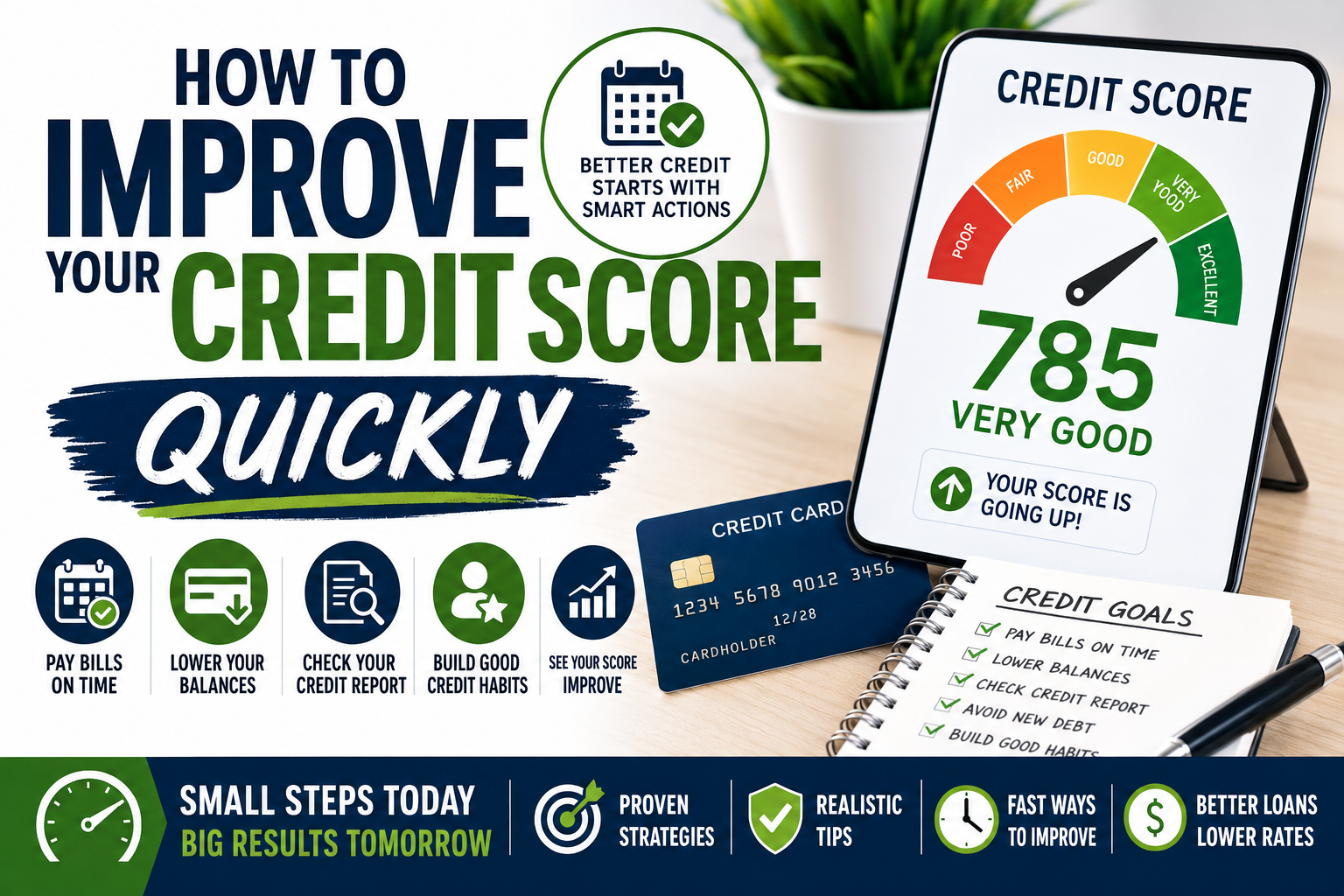
Although scoring models vary, most scores fall into general ranges such as:
| Credit Score | General Category |
| 300–579 | Poor |
| 580–669 | Fair |
| 670–739 | Good |
| 740–799 | Very Good |
| 800–850 | Excellent |
These categories help lenders quickly evaluate credit quality.
However, lenders often consider additional factors beyond the score itself.
What Is Considered a Good Credit Score?
A score of approximately 670 or higher is often considered good by many lenders.
As scores increase, borrowers may gain access to:
- Better credit card offers
- Lower loan interest rates
- Higher approval odds
- Improved borrowing flexibility
However, achieving an excellent score should not be viewed as the immediate goal.
For many people, moving from poor to fair or from fair to good can provide meaningful financial benefits.
Even moderate improvements can reduce borrowing costs and increase financial opportunities.
Understanding your credit score is only the first step.
The next question is why improving it matters so much in everyday financial life.
Why Your Credit Score Matters
Many people assume credit scores only matter when applying for loans.
In reality, strong credit can influence several areas of personal finance.
The effects often extend far beyond borrowing money.
Loan Approvals
One of the most obvious uses of credit scores is loan approval.
Lenders commonly review credit information when evaluating applications for:
- Personal loans
- Auto loans
- Mortgages
- Business financing
A stronger score generally improves approval odds.
While approval is never guaranteed, good credit often makes the process easier.
Mortgage Applications
For many people, buying a home is one of the largest financial decisions they’ll ever make.
Mortgage lenders carefully evaluate credit profiles because home loans involve significant amounts of money and long repayment periods.
Even a small difference in credit score can affect:
- Approval decisions
- Down payment requirements
- Interest rates
- Total loan costs
Over a 15- or 30-year mortgage, these differences can translate into thousands of dollars.
Credit Card Eligibility
Many premium credit cards require stronger credit profiles.
Higher scores may provide access to:
- Better rewards programs
- Higher credit limits
- Lower interest rates
- Additional cardholder benefits
Consumers with lower scores may face limited options or higher costs.
Interest Rates
Your credit score does not only influence approval decisions.
It can also affect how much borrowing costs.
Consider two borrowers applying for similar loans.
One receives a lower interest rate because of stronger credit.
The other receives a higher rate because of increased lending risk.
Over time, the borrower with better credit may save a substantial amount of money.
Apartment Rentals
Landlords often review credit information when evaluating rental applications.
A positive credit history can help demonstrate financial responsibility and reliability.
In competitive rental markets, strong credit may provide an advantage over other applicants.
Insurance and Other Financial Opportunities
Depending on local regulations and industry practices, credit information may influence additional financial opportunities.
In some cases, companies use credit-related information as part of broader risk assessments.
Although rules vary by location, maintaining good credit can contribute to greater financial flexibility.
The importance of credit scores becomes much clearer once you understand how they are calculated.
The next section examines the factors that influence your score and identifies the areas where improvement efforts can produce the greatest results.
You’re already investing time in improving your finances, and that’s something to be proud of. Before you continue, download our free 7 Days To Financial Clarity™ workbook and start putting these ideas into action.

How Credit Scores Are Calculated
Many people focus heavily on their credit score without understanding what actually influences it.
This can lead to frustration because they may spend time improving areas that have little impact while ignoring factors that matter significantly.
The good news is that credit scores are not random.
They are based on specific information contained within your credit report.
Once you understand the major components, it becomes much easier to identify opportunities for improvement.
Payment History
Payment history is often the most important factor affecting a credit score.
Lenders want evidence that you consistently repay borrowed money as agreed.
Every payment helps create a record of your borrowing behavior.
Positive examples include:
- On-time credit card payments
- On-time loan payments
- Consistent account management
Negative examples include:
- Late payments
- Missed payments
- Collections accounts
- Defaults
Because payment history carries so much weight, even a few late payments can significantly impact a credit profile.
Conversely, consistently paying on time can gradually strengthen your score.
Credit Utilization
Credit utilization measures how much of your available credit you are currently using.
For example:
- Credit limit: $1,000
- Current balance: $300
Utilization rate: 30%
Many credit experts recommend keeping utilization below 30%, while lower percentages often provide even greater benefits.
High utilization can signal financial stress to lenders, even if payments are made on time.
This is why paying down balances is often one of the fastest ways to improve a credit score.
We’ll examine this in greater detail later.
Length of Credit History
Credit scores generally reward longer borrowing histories.
A person who has managed credit responsibly for ten years provides lenders with more information than someone who opened their first account last month.
Factors considered may include:
- Age of oldest account
- Average age of accounts
- Overall credit history length
This is one reason closing old accounts can sometimes have unintended consequences.
Credit Mix
Lenders often prefer to see evidence that borrowers can manage different types of credit responsibly.
Examples include:
- Credit cards
- Auto loans
- Student loans
- Mortgages
- Personal loans
This does not mean you should borrow unnecessarily.
However, a healthy mix of accounts may contribute positively to your overall profile.
New Credit Applications
Whenever you apply for credit, lenders may perform a hard inquiry.
A small number of inquiries is normal.
However, numerous applications within a short period may suggest increased financial risk.
For example:
Applying for:
- One credit card
is very different from applying for:
- Five credit cards
- Two personal loans
- An auto loan
all within a few weeks.
This is why strategic application timing matters.
Now that you understand the factors influencing your score, let’s address one of the most common questions people ask.
Can you actually improve your credit score quickly?
Can You Improve Your Credit Score Quickly?
The answer is yes—but with an important qualification.
“Quickly” does not mean overnight.
Legitimate credit improvement typically requires time because lenders and credit bureaus rely on reported financial activity.
Anyone promising an instant 100-point increase should be viewed with skepticism.
However, certain actions can produce faster results than others.
What “Quickly” Really Means
When discussing credit scores, quick improvement usually means:
- Several weeks
- One to three months
- Three to six months
rather than:
- One day
- One week
- Instant results
The exact timeline depends on your starting point and the factors affecting your credit profile.
Realistic Timelines
Some actions may create relatively fast improvements.
Examples include:
Correcting Credit Report Errors
Removing inaccurate negative information may result in noticeable changes once updates are processed.
Lowering Credit Utilization
Paying down high credit card balances can sometimes affect scores relatively quickly after updated balances are reported.
Becoming an Authorized User
In certain situations, being added to a well-managed account may strengthen a credit profile.
Other improvements, such as rebuilding payment history, generally require longer periods of consistent behavior.
Factors That Influence Speed
Credit improvement speed varies based on factors such as:
- Current credit score
- Existing debt levels
- Payment history
- Number of negative items
- Credit utilization ratios
Someone with high utilization but otherwise positive credit may improve faster than someone recovering from multiple recent delinquencies.
Common Credit Repair Myths
Many consumers encounter misleading claims regarding credit improvement.
Examples include:
Myth: Credit Repair Companies Can Instantly Fix Your Score
No company can legally remove accurate negative information from your credit report.
Myth: Closing Credit Cards Improves Credit
Closing accounts may actually reduce available credit and increase utilization ratios.
Myth: Carrying a Balance Helps Your Score
You do not need to carry debt to build credit.
Responsible account management is what matters.
Understanding these myths helps prevent costly mistakes and unrealistic expectations.
The next step involves reviewing the information that is actually being reported about you.
Step 1: Check Your Credit Reports
Before trying to improve your credit score, you need to understand what is currently affecting it.
Many people focus on the score itself while ignoring the report that generates the score.
This is similar to trying to improve a test grade without reviewing the exam results.
Your credit report contains the information lenders use to evaluate your borrowing behavior.
Reviewing it carefully is one of the most important first steps in the credit-improvement process.
Why Reviewing Your Credit Report Matters
Your credit report may reveal:
- Errors
- Outdated information
- Fraudulent accounts
- High balances
- Missed payments
- Collection accounts
Without reviewing the report, you may spend time addressing the wrong issues.
The report provides a roadmap for improvement.
Where to Obtain Your Credit Reports
Consumers can generally obtain credit reports through authorized credit-reporting sources and bureaus.
Depending on your country and local regulations, free report access may be available periodically.
Reviewing reports regularly helps ensure information remains accurate.
Information to Review Carefully
Pay close attention to:
Personal Information
Verify:
- Name
- Address
- Date of birth
- Employment information
Errors may indicate reporting issues or potential identity theft.
Account Information
Confirm that:
- Account balances are accurate
- Payment histories are correct
- Credit limits are reported properly
Negative Items
Review:
- Late payments
- Collections
- Charge-offs
- Public records
Determine whether the information is accurate and current.
Common Errors That Hurt Credit Scores
Credit report mistakes are more common than many people realize.
Examples include:
- Incorrect balances
- Accounts that do not belong to you
- Duplicate accounts
- Incorrect late payments
- Reporting errors following account closure
Even small inaccuracies may negatively affect credit scores.
This is why reviewing reports carefully can create valuable improvement opportunities.
Once errors are identified, the next step is taking action to correct them.
Step 2: Dispute Credit Report Errors
If your credit report contains inaccurate information, correcting those errors may be one of the fastest legitimate ways to improve your credit profile.
Credit reporting systems process enormous amounts of information.
Although most data is reported accurately, mistakes can occur.
When errors appear, they should not simply be ignored.
Incorrect Personal Information
Mistakes involving personal details can create confusion and increase the risk of reporting problems.
Examples include:
- Incorrect names
- Wrong addresses
- Mixed credit files
- Incorrect employment information
These issues should be corrected promptly.
Accounts That Don’t Belong to You
One of the most serious reporting errors involves accounts that are not yours.
Possible causes include:
- Identity theft
- Clerical errors
- Mixed consumer files
Accounts belonging to someone else can negatively affect your credit profile and should be investigated immediately.
Duplicate Accounts
Occasionally, the same debt may appear multiple times.
Duplicate reporting can make debt levels appear higher than they actually are.
This may affect utilization calculations and lender perceptions.
Incorrect Late Payments
A payment reported as late when it was actually made on time can damage a credit profile unnecessarily.
Review payment histories carefully.
If documentation supports your position, request correction through the appropriate dispute process.
How to File a Dispute
While procedures vary, disputes generally involve:
- Identifying the error.
- Gathering supporting documentation.
- Contacting the reporting bureau or data provider.
- Requesting investigation and correction.
Keeping copies of correspondence and records can help support your case.
Why Disputes Matter
Imagine two individuals with identical financial behavior.
One has accurate reporting.
The other has several reporting errors.
Even though their actual financial situations are similar, the reported information may create very different credit outcomes.
This demonstrates why reviewing and correcting reports can be such a powerful first step.
Now that you’ve addressed potential errors, it’s time to focus on the single most important habit for long-term credit improvement: making every payment on time.
Step 3: Pay Every Bill on Time
If you could focus on only one credit-building habit, paying every bill on time would be the best place to start.
Payment history is often the most influential factor affecting credit scores.
Lenders want reassurance that borrowers consistently meet their financial obligations. Every on-time payment helps build that trust.
Conversely, missed payments can remain on credit reports for years and may significantly affect borrowing opportunities.
Because payment history carries so much weight, improving this area often provides some of the greatest long-term benefits.
Why Payment History Matters Most
Credit scores are designed to predict future borrowing behavior.
One of the strongest indicators of future behavior is past behavior.
If someone consistently pays bills on time, lenders often view that person as less risky.
Examples of positive payment activity include:
- Credit card payments
- Auto loan payments
- Personal loan payments
- Mortgage payments
- Student loan payments
Every positive payment contributes to a stronger borrowing history.
Over time, these positive records accumulate and strengthen your overall profile.
How Late Payments Affect Credit Scores
Many people underestimate the impact of late payments.
Even a single missed payment can have consequences such as:
- Credit score declines
- Late fees
- Increased interest costs
- Reduced lender confidence
The severity often depends on factors such as:
- How late the payment is
- How recent the payment is
- Your existing credit profile
For example, a person with an excellent credit history may experience a noticeable score drop after a late payment.
This illustrates how important consistency can be.
Creating a Payment System
The best way to avoid missed payments is to create a reliable system.
Options include:
Calendar Reminders
Set reminders several days before due dates.
Budget Reviews
Review bills weekly rather than waiting until the due date arrives.
Payment Tracking
Maintain a simple list of recurring obligations.
Examples:
- Credit cards
- Loans
- Utilities
- Insurance premiums
Having a structured system reduces the likelihood of accidental missed payments.
Automatic Payment Strategies
Many lenders offer automatic payment options.
Automatic payments can help ensure:
- Bills are paid on time
- Due dates are not forgotten
- Payment history remains consistent
However, it’s still important to monitor accounts regularly.
Automatic payments work best when sufficient funds are available.
Real-Life Example
Consider two borrowers.
Emma
- Pays every bill on time
- Uses reminders
- Reviews accounts weekly
David
- Occasionally forgets due dates
- Pays several bills late each year
After several years, Emma’s payment history may appear significantly stronger to lenders.
The difference isn’t income.
The difference is consistency.
While payment history is critical, another factor can often produce faster score improvements.
That factor is credit utilization.
Step 4: Lower Your Credit Utilization
Credit utilization is one of the most misunderstood aspects of credit scoring.
Many people make every payment on time but still struggle with lower-than-expected credit scores because they overlook utilization.
The good news is that utilization is often one of the fastest areas to improve.
What Credit Utilization Means
Credit utilization measures how much available credit you are currently using.
The formula is simple:
Balance ÷ Credit Limit = Utilization Rate
For example:
- Credit limit: $1,000
- Current balance: $500
Utilization: 50%
This means you’re using half of your available credit.
Credit scoring models often view lower utilization more favorably because it suggests responsible borrowing behavior.
Why Utilization Has a Major Impact
Lenders want to see that you can manage credit without relying heavily on it.
High utilization may signal:
- Financial stress
- Heavy borrowing dependence
- Increased lending risk
Even if payments are always made on time, high balances can still negatively affect credit scores.
This surprises many consumers.
Someone may never miss a payment and still see score improvements simply by reducing balances.
Ideal Utilization Targets
While there is no universal rule, many financial experts recommend:
Below 30%
Generally considered acceptable.
Below 10%
Often viewed more favorably.
Above 50%
May begin negatively affecting scores.
Above 75%
Often signals elevated borrowing risk.
The lower your utilization, the better your profile may appear to lenders.
Fast Ways to Lower Utilization
Several strategies may help reduce utilization quickly.
Pay Down Existing Balances
This is often the most direct solution.
Reducing balances lowers utilization immediately once updated information is reported.
Make Multiple Payments Per Month
Rather than waiting until the statement date, some people make payments throughout the month.
This may help reduce reported balances.
Request a Credit Limit Increase
If approved, a higher limit can lower utilization ratios without requiring additional debt repayment.
However, this approach should be used carefully and only when financially appropriate.
Spread Balances Across Multiple Accounts
In some situations, distributing balances may improve overall utilization ratios.
The goal is reducing the percentage of available credit being used.
Real-Life Example
Imagine two individuals.
Person A
- Credit limit: $5,000
- Balance: $4,500
Utilization: 90%
Person B
- Credit limit: $5,000
- Balance: $500
Utilization: 10%
Even if both individuals make payments on time, Person B may appear less risky to lenders.
This demonstrates why utilization can influence scores so significantly.
To better understand utilization, let’s look at several common scenarios.
Credit Utilization Examples
Many people understand utilization conceptually but struggle to see how different balances affect their credit profile.
The following examples illustrate why utilization matters.
Example: 90% Utilization
Credit Limit
$1,000
Balance
$900
Utilization
90%
At this level, lenders may view the borrower as heavily dependent on available credit.
Although the account remains within its limit, the high balance may negatively affect credit scores.
Example: 50% Utilization
Credit Limit
$1,000
Balance
$500
Utilization
50%
This represents an improvement over 90%, but many scoring models still view the utilization as relatively high.
Further reductions may produce additional benefits.
Example: Below 10% Utilization
Credit Limit
$1,000
Balance
$100
Utilization
10%
This level often reflects strong credit management.
The borrower maintains access to credit without appearing overly dependent on it.
Many consumers striving for excellent credit focus on keeping utilization in this range.
Quick Utilization Improvement Table
The following table illustrates how utilization changes as balances decrease.
| Credit Limit | Balance | Utilization |
| $1,000 | $900 | 90% |
| $1,000 | $700 | 70% |
| $1,000 | $500 | 50% |
| $1,000 | $300 | 30% |
| $1,000 | $100 | 10% |
| $1,000 | $50 | 5% |
Key Takeaway
Notice that the credit limit remains exactly the same in every example.
The only thing changing is the balance.
This is why paying down credit card debt is often one of the fastest legitimate ways to improve a credit score.
Reducing utilization can sometimes produce noticeable results far sooner than many other credit-building strategies.
Now that you’ve addressed payment history and utilization—the two factors that often provide the greatest impact—the next step is avoiding behaviors that may slow your progress.
This includes applying for too much new credit, closing older accounts unnecessarily, and overlooking valuable credit-building opportunities.
Step 5: Avoid Applying for Too Much Credit
When people become serious about improving their credit score, they sometimes make a surprising mistake.
They apply for multiple credit cards, loans, and financing offers within a short period, believing that more available credit will automatically improve their score.
In reality, excessive applications can sometimes have the opposite effect.
While applying for credit occasionally is normal, applying too frequently may signal increased financial risk to lenders.
Understanding how applications affect your credit profile can help you avoid unnecessary setbacks.
Hard Inquiries Explained
When you apply for most forms of credit, lenders typically review your credit report.
This review often creates what is known as a hard inquiry.
Examples include:
- Credit card applications
- Auto loan applications
- Mortgage applications
- Personal loan applications
A single hard inquiry is usually not a major concern.
However, multiple inquiries within a short period may raise concerns about your borrowing behavior.
Lenders may wonder whether you’re experiencing financial difficulties or taking on more debt than you can comfortably manage.
Why Multiple Applications Can Hurt
Imagine two borrowers.
Borrower A
Applies for:
- One credit card
over the course of a year.
Borrower B
Applies for:
- Three credit cards
- Two personal loans
- A store financing account
within a few weeks.
Borrower B may appear riskier because of the increased borrowing activity.
Although the impact varies, numerous applications can contribute to temporary score declines.
Knowing your balance is only the beginning. Use our free Debt Payoff Calculator to build a repayment strategy, compare payoff timelines, and take control of your debt with confidence.

Strategic Application Timing
Improving your credit score often requires patience.
Rather than applying repeatedly, focus on strengthening your profile first.
Ask yourself:
- Do I actually need this account?
- Will it help my financial goals?
- Am I likely to be approved?
Being selective can help protect your score while supporting long-term credit growth.
When Applying Makes Sense
Applying for credit can still be beneficial when done strategically.
Examples include:
- Opening your first credit card
- Obtaining a secured credit card
- Financing a vehicle when needed
- Qualifying for a mortgage
The key is applying with purpose rather than applying frequently.
Responsible credit management involves quality decisions, not quantity.
Step 6: Keep Older Accounts Open
Many people believe closing old credit cards automatically improves their credit score.
This is one of the most common credit myths.
In many situations, closing older accounts can actually make improvement more difficult.
Understanding why account age matters can help you avoid an unnecessary mistake.
Why Credit History Length Matters
Credit scores often consider how long you’ve been managing credit.
A longer positive history provides lenders with more information.
For example:
Person A
Oldest account: 10 years
Person B
Oldest account: 1 year
Even if both manage credit responsibly today, Person A provides a longer track record of borrowing behavior.
This additional history may strengthen lender confidence.
Risks of Closing Old Accounts
Closing an older account can create two potential problems.
Reduced Available Credit
Suppose you have:
- Total credit limit: $10,000
- Current balance: $1,000
Utilization: 10%
If you close a card with a $5,000 limit:
- Remaining credit limit: $5,000
- Same balance: $1,000
Utilization becomes 20%.
Although spending did not increase, utilization doubled.
Shorter Average Account Age
Closing older accounts may eventually reduce the average age of your credit profile.
This can weaken one of the factors supporting your score.
Exceptions to Consider
There are situations where closing an account may still make sense.
Examples include:
- High annual fees
- Fraud concerns
- Unused accounts creating management difficulties
Financial decisions should always consider the complete picture rather than credit scores alone.
Long-Term Benefits
Older accounts often contribute positively by:
- Extending credit history
- Supporting utilization ratios
- Demonstrating long-term financial stability
This is why many financial professionals recommend keeping older accounts open when practical and affordable.
Another strategy that may help certain borrowers involves leveraging someone else’s positive credit history.
Step 7: Become an Authorized User
For some individuals, becoming an authorized user on another person’s credit card account can provide a valuable credit-building opportunity.
This strategy is commonly used by:
- Young adults
- Students
- Individuals with limited credit history
- People rebuilding credit
However, success depends heavily on the primary account holder’s financial habits.
What an Authorized User Is
An authorized user is someone added to another person’s credit card account.
The authorized user receives permission to use the card but is not typically responsible for the debt in the same way as the primary account holder.
The account owner maintains primary responsibility for payments.
Depending on the issuer, account activity may appear on the authorized user’s credit report.
How It Can Help
When added to a well-managed account, an authorized user may benefit from:
- Positive payment history
- Longer account age
- Lower utilization ratios
- Stronger overall credit profile
This can be particularly helpful for individuals who have little or no credit history.
When It Works Best
The greatest benefits usually occur when the primary account holder has:
- Excellent payment history
- Low balances
- Long-standing accounts
- Responsible credit habits
In these situations, the account may strengthen the authorized user’s profile.
Potential Risks
Not all authorized-user arrangements are beneficial.
If the primary account holder:
- Misses payments
- Carries excessive balances
- Mismanages the account
those negative factors may also affect the authorized user’s credit profile.
This is why choosing the right account is important.
Real-Life Example
Sophia is 19 years old and has never used credit.
Her parent adds her as an authorized user on a credit card that has:
- Ten years of history
- Perfect payment record
- Low utilization
As a result, Sophia gains exposure to positive credit history while continuing to establish her own financial foundation.
While becoming an authorized user may help some people, others may need a more direct way to build credit.
This is where secured credit cards become valuable.
Step 8: Use a Secured Credit Card to Build Credit
For individuals with little credit history or past credit challenges, secured credit cards often provide one of the most accessible pathways toward credit improvement.
Unlike traditional credit cards, secured cards require a refundable security deposit.
This deposit reduces lender risk and increases approval opportunities.
How Secured Cards Help Build Credit
Most reputable secured credit cards report account activity to major credit bureaus.
This means responsible use may contribute to:
- Positive payment history
- Credit utilization data
- Account age development
- Stronger borrowing history
Over time, these factors may support credit score improvement.
Who Should Consider One
Secured credit cards are often suitable for:
- First-time borrowers
- Students
- Individuals rebuilding credit
- People denied traditional credit cards
For many consumers, secured cards serve as an entry point into the credit system.
Responsible Usage Tips
To maximize the benefits:
Pay On Time
Consistency is critical.
Keep Balances Low
Lower utilization generally supports stronger credit profiles.
Avoid Maxing Out The Card
High balances may undermine credit-building efforts.
Monitor Account Activity
Regular reviews help prevent mistakes and identify issues early.
Real-Life Example
Michael has no credit history and struggles to qualify for traditional credit cards.
He opens a secured credit card with a $300 deposit.
Over the next year he:
- Makes every payment on time
- Keeps balances below 10%
- Uses the card regularly
Gradually, he establishes positive credit history and improves his financial opportunities.
🎯 Find Your Best Next Step
Every financial journey is different. Take our free Financial Goal Assessment to discover which area deserves your attention first and receive a clear direction for your next financial milestone.

Learn More About Secured Credit Cards
If you’d like a deeper understanding of how secured credit cards compare to traditional credit cards, read:
Secured vs Unsecured Credit Cards Explained
You can also learn how secured cards compare to everyday banking tools in:
Secured Credit Cards vs Debit Cards: What’s the Difference?
Both resources provide valuable context for anyone focused on building or improving credit.
At this point, you’ve addressed many of the most important credit-building strategies.
The next section focuses on the fastest actions that can potentially improve your score, as well as several common mistakes that often prevent progress.
Step 9: Diversify Your Credit Profile
As your credit history develops, you may hear people talk about the importance of having a “credit mix.”
This simply refers to the variety of credit accounts that appear on your credit report.
While payment history and credit utilization generally have a greater impact on credit scores, credit mix can still contribute to a stronger overall profile.
The goal is not to open unnecessary accounts.
Instead, it is to demonstrate that you can responsibly manage different types of credit over time.
What Credit Mix Means
Credit accounts generally fall into two broad categories.
Revolving Credit
Accounts that allow you to borrow repeatedly up to a certain limit.
Examples include:
- Credit cards
- Secured credit cards
- Lines of credit
Installment Credit
Accounts with fixed payments over a defined period.
Examples include:
- Auto loans
- Student loans
- Mortgages
- Personal loans
Many lenders prefer seeing evidence that borrowers can manage both types responsibly.
Types of Credit Accounts
A healthy credit profile may include a combination of:
- Credit cards
- Secured credit cards
- Auto financing
- Mortgage loans
- Student loans
This does not mean you need every type of account.
It simply means that managing different forms of credit successfully can demonstrate financial responsibility.
Why Lenders Like Diversity
Imagine two applicants.
Applicant A
Has successfully managed:
- A credit card
- An auto loan
for several years.
Applicant B
Has only recently opened a single credit account.
Applicant A provides more information for lenders to evaluate.
This additional history may improve lender confidence.
Avoiding Unnecessary Debt
One of the biggest mistakes people make is opening accounts solely to improve their credit mix.
Taking on debt you don’t need is rarely a good financial decision.
The best approach is allowing credit diversity to develop naturally over time as legitimate financial needs arise.
Now that we’ve covered the major factors influencing credit scores, let’s focus on the actions that often produce the fastest improvements.
Fastest Ways to Improve Your Credit Score
Not all credit-building strategies work at the same speed.
Some actions may take years to produce meaningful results.
Others may create noticeable improvements much sooner.
The following strategies often provide the greatest potential impact in the shortest amount of time.
Pay Down Credit Card Balances
Reducing credit card balances is often one of the fastest legitimate ways to improve a credit score.
Why?
Because credit utilization can change quickly.
For example:
Before
- Credit limit: $5,000
- Balance: $4,500
Utilization: 90%
After
- Credit limit: $5,000
- Balance: $500
Utilization: 10%
This dramatic reduction may significantly improve how lenders view your credit profile.
Fix Credit Report Errors
Inaccurate information can unnecessarily lower credit scores.
Examples include:
- Incorrect late payments
- Accounts that aren’t yours
- Duplicate accounts
- Reporting mistakes
Correcting these errors may improve your profile once investigations are completed.
Become an Authorized User
As discussed earlier, being added to a well-managed credit card account may help some individuals strengthen their credit profile.
This strategy can be especially useful for:
- Young adults
- First-time borrowers
- Individuals with limited credit history
The effectiveness depends heavily on the primary account holder’s financial behavior.
Make Every Payment On Time
No strategy can consistently compensate for poor payment habits.
Even if other aspects of your credit profile improve, missed payments can slow progress significantly.
Consistent on-time payments remain one of the most effective long-term credit-building practices.
Avoid New Debt
Improving your score is often easier when you focus on managing existing obligations rather than taking on additional debt.
Reducing financial risk tends to produce better outcomes than constantly expanding borrowing activity.
While these strategies can help, it’s equally important to understand what doesn’t work.
Many consumers waste time following advice that either has little impact or may even make matters worse.
Actions That Do NOT Improve Credit Scores Quickly
The internet is full of credit myths.
Unfortunately, some of the most popular advice can be ineffective or even harmful.
Understanding what doesn’t work can save both time and money.
Closing Credit Cards
Many people assume closing a credit card improves their credit score.
In reality, closing an account may:
- Reduce available credit
- Increase utilization ratios
- Shorten average account age over time
Unless there is a compelling reason to close the account, keeping it open is often the better option.
Paying Collections Without a Plan
Paying off collection accounts may be beneficial in some situations.
However, the impact varies depending on:
- The age of the debt
- Reporting practices
- Credit scoring models
Before making payments, it’s wise to understand how the account will be reported afterward.
A thoughtful approach is usually better than rushing into decisions.
Credit Repair Scams
Be cautious of companies promising:
- Instant credit improvement
- Guaranteed score increases
- Removal of accurate negative information
No legitimate company can legally erase accurate information from your credit report.
Building strong credit requires genuine financial improvement rather than shortcuts.
Applying for Multiple Cards
As discussed earlier, repeatedly applying for credit can create additional hard inquiries and increase perceived lending risk.
More applications do not automatically translate into better credit.
Strategic borrowing generally produces better results.
Ignoring Credit Reports
Many consumers check their credit score but never review their actual credit report.
This can cause them to miss:
- Errors
- Fraudulent activity
- Outdated information
Regular monitoring remains one of the most valuable habits for long-term credit health.
Now let’s examine how these strategies work in real-life situations.
Real-Life Examples
The following examples demonstrate how different people improved their credit profiles using practical, realistic strategies.
Example 1: Building Credit From Scratch
James recently graduated from college and had never used credit before.
Because he had no credit history, lenders had little information available to evaluate him.
He decided to:
- Open a secured credit card
- Make small purchases each month
- Pay every balance in full
After twelve months, James had established positive payment history and qualified for additional credit opportunities.
Lesson
Credit improvement often begins with creating positive borrowing history.
Example 2: Recovering From Late Payments
Sophia experienced financial difficulties several years ago and accumulated several late payments.
After stabilizing her finances, she focused on:
- Paying all bills on time
- Reducing credit card balances
- Avoiding unnecessary borrowing
Although progress was gradual, her profile improved steadily over time.
Lesson
Past mistakes do not permanently prevent future improvement.
Consistent positive behavior can help rebuild lender confidence.
Example 3: Improving Utilization Quickly
Michael had strong payment history but carried high credit card balances.
His utilization exceeded 80%.
After receiving a work bonus, he used a portion of the funds to reduce his balances significantly.
Within a short period, his utilization dropped below 20%.
Lesson
Reducing utilization is often one of the fastest ways to improve a credit profile.
What These Examples Have In Common
Although each situation is different, the same themes appear repeatedly:
- Consistency
- Patience
- Responsible borrowing
- Strategic decision-making
There are no magic solutions.
Most successful credit improvements result from repeated positive actions over time.
The next section explores realistic expectations for credit score improvement and helps establish a practical timeline for progress.
Realistic Expectations
One of the biggest obstacles to improving a credit score is unrealistic expectations.
Many people hope for dramatic improvements within days or weeks.
When those results fail to appear, they become discouraged and abandon strategies that would have worked if given enough time.
The reality is that credit improvement is often a gradual process.
Some actions may generate faster results, while others require months of consistent positive behavior.
Understanding what realistic progress looks like can help you stay focused and motivated.
First 30 Days
During the first month, the most important objective is identifying opportunities for improvement.
Examples include:
- Reviewing credit reports
- Identifying reporting errors
- Creating payment systems
- Reducing high credit card balances
Depending on your situation, some early improvements may occur once updated information is reported.
However, major changes are uncommon during this stage.
Think of this period as laying the groundwork for future progress.
First 90 Days
By the three-month mark, many people begin seeing measurable improvements if they have consistently:
- Paid bills on time
- Reduced utilization
- Corrected reporting errors
- Avoided unnecessary applications
The exact results vary from person to person.
Someone with high utilization may experience faster improvements than someone recovering from multiple late payments.
Six Months
Six months of responsible credit management can produce meaningful progress.
At this stage, lenders have more recent positive information available for evaluation.
Many borrowers notice:
- Improved credit scores
- Better approval opportunities
- Increased financial confidence
Although perfection is not required, consistency becomes increasingly important.
One Year
After a full year of responsible behavior, many people have established a significantly stronger credit profile.
Positive developments may include:
- Better credit card offers
- Higher approval odds
- Increased credit limits
- More favorable loan terms
For individuals rebuilding damaged credit, the journey may take longer.
However, twelve months of consistent improvement can produce substantial results.
What Progress Typically Looks Like
Many consumers imagine credit improvement as a straight line.
In reality, progress often occurs in stages.
Some months may show noticeable improvement.
Other months may show little visible change.
The important thing is maintaining positive habits even when progress feels slow.
Credit scores often reward consistency more than short bursts of effort.
Common Credit Score Mistakes
Understanding what helps your credit score is important.
Understanding what hurts it is equally valuable.
The following mistakes frequently slow progress and create unnecessary financial obstacles.
Missing Payments
Late payments remain one of the most damaging mistakes borrowers make.
Even a single missed payment can affect:
- Credit scores
- Lending decisions
- Future borrowing opportunities
Creating reminders and automatic payment systems can significantly reduce this risk.
Maxing Out Credit Cards
Using most or all of your available credit may increase utilization ratios and signal financial stress.
Even when payments are made on time, high balances can negatively affect credit profiles.
Keeping balances low remains one of the most effective credit-building habits.
Ignoring Statements
Many people only check their balance.
They never review the details of their monthly statements.
As a result, they may miss:
- Fraudulent charges
- Reporting errors
- Unexpected fees
- Spending patterns
Regular account reviews help identify problems early.
Applying Too Frequently
Repeated credit applications can create additional hard inquiries and increase perceived borrowing risk.
Applying strategically is generally more effective than applying often.
Closing Old Accounts
Closing older accounts may reduce available credit and shorten average account age over time.
Before closing any account, consider how it may affect your overall credit profile.
Avoiding these mistakes can often accelerate progress without requiring additional financial resources.
Credit Score Improvement Checklist
Improving credit becomes easier when broken into manageable actions.
The following checklist can help maintain consistent progress.
Weekly Tasks
Review Account Activity
Check for:
- Unauthorized transactions
- Unexpected charges
- Account errors
Monitor Spending
Track spending habits and ensure balances remain manageable.
Confirm Upcoming Payments
Verify that sufficient funds are available for upcoming obligations.
Monthly Tasks
Pay Every Bill On Time
This should remain your highest priority.
Review Credit Card Balances
Monitor utilization levels and make additional payments if necessary.
Check Budget Performance
Identify areas where spending adjustments may support financial goals.
Quarterly Tasks
Review Credit Reports
Look for:
- Reporting errors
- Outdated information
- Fraudulent accounts
Evaluate Progress
Review:
- Credit score changes
- Debt reduction progress
- Financial goals
Adjust Strategies
Financial situations evolve over time.
Periodic reviews help ensure your credit-building plan remains effective.
Benefits of a Higher Credit Score
Improving your credit score requires effort.
Fortunately, the benefits often extend far beyond the score itself.
A stronger credit profile can create meaningful financial opportunities throughout your life.
Better Loan Terms
Lenders generally prefer borrowers who demonstrate responsible credit management.
As your score improves, you may qualify for:
- Better loan products
- More favorable repayment terms
- Greater borrowing flexibility
This can make major financial goals more attainable.
Lower Interest Rates
Interest rates often have a direct impact on borrowing costs.
Even small rate reductions can produce significant savings over time.
For example:
A lower mortgage interest rate could save thousands of dollars over the life of the loan.
The same principle applies to:
- Auto loans
- Personal loans
- Credit cards
Easier Approvals
Stronger credit profiles may improve approval odds for:
- Credit cards
- Rental applications
- Mortgage financing
- Vehicle loans
Although approval is never guaranteed, good credit often expands available options.
Greater Financial Flexibility
Financial emergencies are often unpredictable.
Strong credit can provide additional flexibility when unexpected expenses arise.
Whether facing:
- Medical expenses
- Home repairs
- Vehicle repairs
access to favorable borrowing options may provide valuable peace of mind.
Increased Financial Confidence
Perhaps one of the most overlooked benefits is confidence.
Understanding how credit works and seeing measurable improvement often motivates people to make better financial decisions overall.
Confidence frequently leads to:
- Better money management
- More informed borrowing decisions
- Stronger long-term financial habits
Final Thoughts
Improving your credit score quickly is possible, but it requires focusing on the factors that matter most.
Many people waste time chasing shortcuts, credit hacks, and unrealistic promises.
The most effective strategy is usually the simplest:
- Pay every bill on time.
- Reduce credit card balances.
- Monitor your credit reports.
- Correct reporting errors.
- Avoid unnecessary debt.
- Build positive financial habits consistently.
Some improvements may occur within weeks.
Others may take months.
The exact timeline depends on your current situation and the factors affecting your credit profile.
The important thing is taking action.
Every positive financial decision contributes to a stronger foundation.
Whether you’re building credit for the first time, recovering from past mistakes, or preparing for a major financial goal, the habits you develop today can create opportunities for years to come.
Credit improvement is not about perfection.
It’s about consistency.
Small actions repeated month after month often produce results that far exceed expectations.
Start with one improvement today.
Then continue building momentum.
Over time, those small improvements can transform your financial future.
Frequently Asked Questions
How fast can I improve my credit score?
The timeline varies depending on your situation. Some people notice improvements within a few weeks after lowering credit card balances or correcting reporting errors. More significant improvements often require several months of consistent positive activity. Building strong credit is typically a gradual process rather than an overnight change.
Can I improve my credit score in 30 days?
It is possible to see some improvement within 30 days if you address factors such as high utilization or reporting errors. However, dramatic changes are uncommon. Most substantial improvements require a longer period of responsible credit management.
What is the fastest way to raise a credit score?
For many people, paying down high credit card balances provides the fastest legitimate improvement opportunity. Lowering utilization can positively affect how lenders view your credit profile once updated information is reported.
Does paying off debt improve credit immediately?
Not always. Credit reports are updated periodically, so improvements may not appear instantly. However, reducing balances can positively affect utilization and may contribute to score improvements once updated information is reported.
How long do late payments stay on a credit report?
Late payments can remain on credit reports for several years. Their impact generally decreases over time, especially when followed by consistent positive payment behavior.
Is a secured credit card good for improving credit?
Yes. Many secured credit cards report account activity to major credit bureaus. Responsible use may help establish payment history, build credit, and improve borrowing opportunities over time.
Should I close old credit cards?
Not necessarily. Older accounts often contribute positively to credit history length and available credit. Before closing any account, consider the potential impact on utilization and account age.
How often should I check my credit report?
Reviewing your credit report several times per year is generally a good practice. Regular reviews help identify errors, outdated information, and potential fraud.
What credit score is considered good?
Although scoring models vary, many lenders consider scores around 670 or higher to be good. Higher scores may provide access to better financial opportunities and borrowing terms.
Can credit repair companies really help?
Legitimate credit repair companies may assist with organizing disputes and reviewing reports. However, they cannot legally remove accurate negative information or guarantee score increases. Consumers can often perform many of the same actions themselves.
🚀 Ready To Keep Going?
You have invested time learning today. Now take the next step by downloading our free 7 Days To Financial Clarity™ workbook and begin building a stronger financial future.
